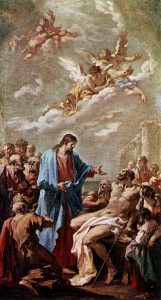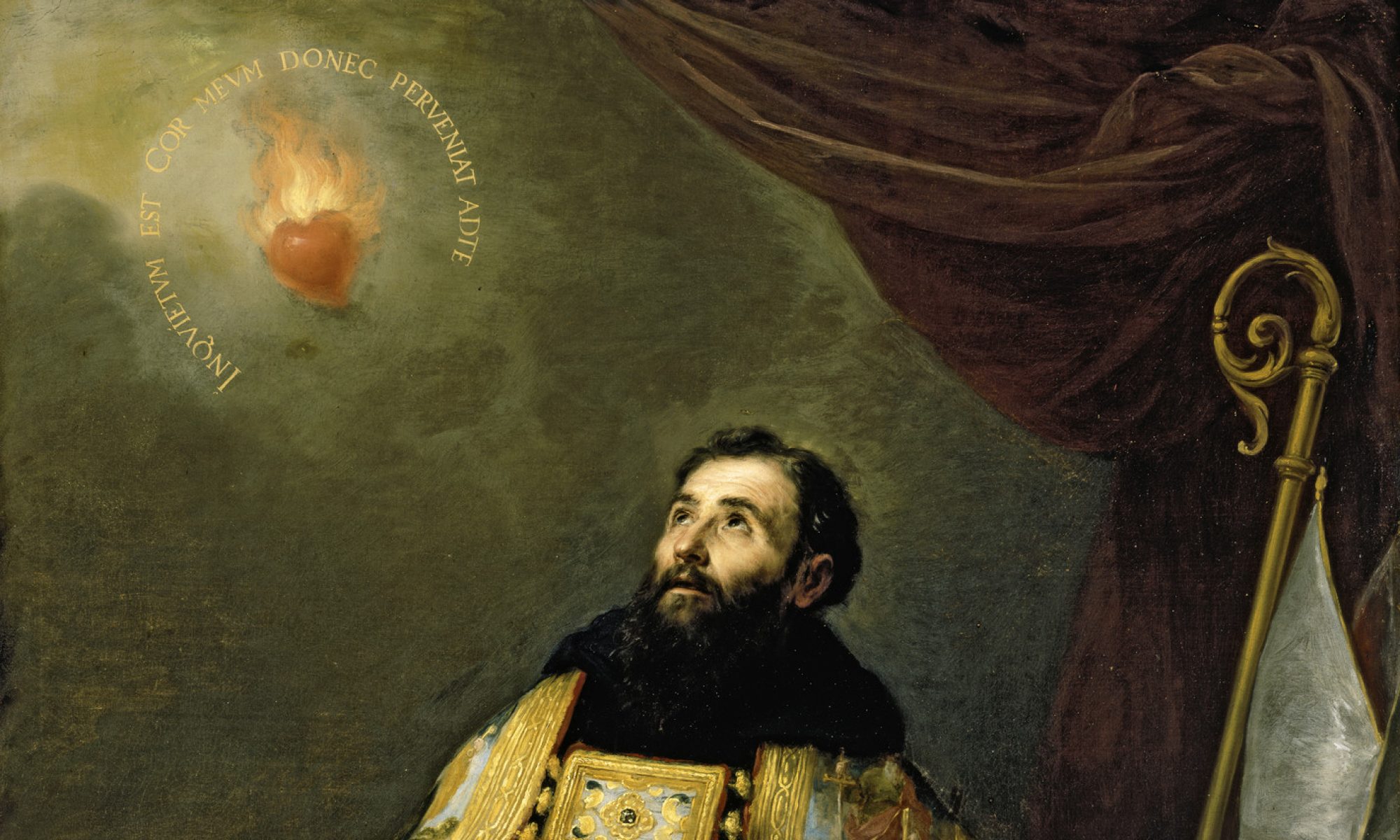
The Dictate of the Heart:  1st Sunday of Advent, Year B

  • Isaiah 63:16-17, 19
  • Psalm 80:2-3, 15-16, 18-19
  • 1 Corinthians 1:3-9
  • Mark 13:33-37On late Friday evening on December 1, 2023, I arrived from a month vacation in the Philippines, rejuvenated and refreshed from eating my favorite tropical fruits and the renewal of relationships with my brothers, sister, nephews, nieces and with my Augustinian confreres.

    Today is the first Sunday of Advent; however, in the Philippines, people started decorating Christmas trees with snowballs and snowmen even though we don’t have snow.  Christmas songs are on the air, and they put up Christmas “parols” or lighted lanterns along the streets, and the Nativity scene inside the house as early as September.  Filipinos’ major feast is Christmas, and it is also our Thanksgiving Day.  Filipinos don’t want to live in the wait, so they over emphasize anticipation of the coming of Christmas.  I know Christmas is coming but not as early as September or today, the first Sunday of Advent.

    The Sunday readings today call us to be conscious of where we are in our relationship with God.  The first reading from the Book of the Prophet Isaiah wants to remind us that in this season of Advent, we must renew our relationship with God.  The Prophet Isaiah is pointing us to God, our Father and Redeemer, and letting us focus on how God works in our hearts.  God has called us so that we are in the right place. He sustained us with gifts, but all the goodness of God must be acknowledged and responded to that we are deeply willing for His coming in our lives again.  If we have difficulty in trying to connect with God, we journey with the Prophet Isaiah’s struggle, who admits that we have created a mess in our lives, but just as God has tried to reconnect with His people, we must also intend to try our best to be with God.

    The 2nd reading from the letter of St. Paul to the Corinthians is inspiring to be always grateful.  St. Paul says, “I give thanks to my God always on your account for the grace of God bestowed on you in Christ Jesus…..so that you are not lacking in any spiritual gift as you wait…”  These words of St. Paul bring to our attention that the consolations of God, peace, kindness, and mercy, are actually given to us, which manifests God’s faithfulness and, therefore, calling us to fellowship, to communion.

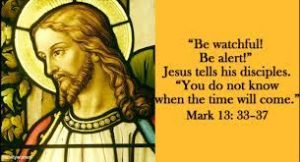
    The gospel of St. Mark expresses the need to “Be watchful! Be alert!”  To be watchful is to foresee the coming of the Lord. Even though, Jesus says, “You do not know when the time has come.”  But we must wait for that time and be alert, as we are warned that something will certainly happen.  It is through faith and confidence that there will be an end to our waiting.

    As Catholic, how am I to be in the waiting?  First, the Catholic Church teaches that Advent is a time of waiting, anticipation, expectation, joy and preparation for the coming of Jesus, the promised Messiah.  It is a season of looking forward to something wonderful, the promise of the ages. It is a waiting time focused on the future return of our Savior by looking back to when He first came and lived with us in history.  This is a glance of the past which is connected to His second coming.  It means Someone is coming and something will be an exceedingly new experience as He promised.

    Second, the responsorial psalm today which says, “Lord, make us turn to you. Let us see your face and we shall be saved,” is a plea, our desperate admission that we really need help from the coming of the Son of Man who will give us new life when we call upon Him.  Through this, man at God’s right hand, will bring back all of us to God, who favors our salvation.

    Third, in the gospel today, we do find ourselves like servants left behind to carry out tasks while the Master of the household is apparently absent.  It means that we are taking that responsibility to perform our work well.  We are expected to be alert and awake for the Master’s return, for at anytime He will come when we least expect.

    This season of Advent is a season to extend more time in prayer.  Prayer is truly necessary to come into our consciousness that we need God in our lives.  Let us allow God to enter our hearts and our world.  We are divided and lost.  This is the time for making profound preparations and offering sacrifices so that at the right time of Christ’s coming, He will restore us through His divine healing and forgiveness.  If you are still sleeping, God waits for you!  There is something better for you.

    Maranatha, Jesus come and bless us.

    Fr. Arlon, osa

    ————————

El Dictado del Corazón

Primer Domingo de Adviento, año B

  • Isaías 63:16-17, 19
  • Salmo 80:2-3, 15-16, 18-19
  • 1 Corintios 1:3-9
  • Marcos 13:33-37

Hace dos días regrese de un mes de vacaciones en las Filipinas. Me siento rejuvenecido y renovado. Tuve la oportunidad de comer mis frutas tropicales favoritas,ponerme al día con mis hermanos, hermanas, sobrinos, sobrinas y cohermanos agustinos. 

Hoy es el primer domingo de Adviento. En las Filipinas, la gente ha comenzado a decorar sus árboles Navideños con bolas de nieve y muñecos de nieve a pesar de que no hay nieve. Se escuchan canciones navideñas y ya en septiembre se colocan farolillos navideños en las calles y el Belén en el interior de las casas. La fiesta principal de los filipinos es la Navidad y también es nuestro Día de Acción de Gracias. Los filipinos no quieren vivir esperando, por lo que enfatizan demasiado la anticipación de la llegada de la Navidad. Sé que la Navidad se acerca, pero no tan pronto como en septiembre ni hoy, el primer domingo de Adviento.

Las lecturas dominicales de hoy nos llaman a ser conscientes de dónde estamos en nuestra relación con Dios. La primera lectura del Libro del Profeta Isaías nos recuerda que en este tiempo de Adviento debemos renovar nuestra relación con Dios. El profeta Isaías nos señala a Dios, nuestro Padre y Redentor, nos permite concentrarnos en cómo Dios obra en nuestros corazones. Dios nos ha llamado para que estemos en el lugar correcto. Él nos sostuvo con dones, pero toda la bondad de Dios debe ser reconocida y respondida para que estemos profundamente dispuestos a que Él venga nuevamente a nuestras vidas. Si tenemos dificultades para intentar conectarnos con Dios, caminamos con la lucha del profeta Isaías, quien admite que hemos creado un desastre en nuestras vidas, pero, así como Dios ha tratado de reconectarnos con su pueblo, nosotros también debemos intentar nuestra conexión lo mejor con Dios.

La segunda lectura de la carta de San Pablo a los Corintios nos inspira a estar siempre agradecidos. San Pablo dice: “Doy siempre gracias a mi Dios por la gracia de Dios que nos ha sido concedida en Cristo Jesús… para que ningún don espiritual les falte en la espera…” Estas palabras de San Pablo nos llaman la atención que nos son dados los consuelos de Dios, la paz, la bondad y la misericordia, lo que manifiesta la fidelidad de Dios y, por tanto, nos llama a la comunión.

El evangelio de San Marcos expresa la necesidad de “¡Estar alerta!” Estar alerta es prever la venida del Señor. Aunque Jesús dice: “No saben cuándo ha llegado el momento”. Pero hay que esperar ese momento y estar alerta, ya que se nos advierte que con seguridad algo sucederá. Es a través de la fe y la confianza que nuestra espera pondrá fin.

Como católico, ¿cómo debo estar en la espera? Primero, la Iglesia Católica enseña que el Adviento es un tiempo de espera, anticipación, expectación, gozo y preparación para la venida de Jesús, el Mesías prometido. Es una temporada en la que esperamos algo maravilloso, la promesa de todos los tiempos. Es un tiempo de espera centrado en el futuro regreso de nuestro Salvador, mirando hacia atrás, cuando Él vino por primera vez y vivió con nosotros en la historia. Esta es una mirada al pasado que está conectada con su segunda venida. Significa que Alguien viene y algo será una experiencia sumamente nueva como Él prometió.

En segundo lugar, el salmo responsorial de hoy que dice: “Señor, haznos acudir a ti. Veamos tu rostro y seremos salvos”, es una súplica, nuestra admisión desesperada de que necesitamos ayuda de la venida del Hijo del Hombre que nos dará nueva vida cuando lo invoquemos. Mediante esto, el hombre a la diestra de Dios, nos traerá a todos de regreso a Dios, quien favorece nuestra salvación. 

En tercer lugar, en el evangelio de hoy nos encontramos como sirvientes dejados atrás para realizar tareas mientras el dueño de la casa está ausente. Significa que estamos asumiendo esa responsabilidad de realizar bien nuestro trabajo. Se espera que estemos alerta y despiertos para el regreso del Maestro, porque en cualquier momento Él vendrá cuando menos lo esperemos.

Esta temporada de Adviento es una temporada para extender más tiempo en oración. La oración es verdaderamente necesaria para tomar conciencia de que necesitamos a Dios en nuestras vidas. Permitamos que Dios entre en nuestros corazones y en nuestro mundo. Estamos divididos y perdidos. Este es el momento de hacer profundos preparativos y ofrecer sacrificios para que en el momento oportuno de la venida de Cristo, Él nos restaure a través de Su divina sanidad y perdón. Si aún estás durmiendo, ¡Dios te espera! Hay algo mejor para ti.

Maranata, Jesús ven y bendícenos.

P. Arlón, osa
The Dictate of the Heart: First Sunday of Advent: Extraordinary Form, TLM

I am blessed meeting pious women in Manila. They are faithful traditional Latin Mass church-goers who invited me to celebrate the Extraordinary Form. I spent half day with them sharing the word, sacrament and the meaning of the mass. Gaining friends is indeed instilled in my Augustinian way or life: Friends and companions for the Lord.

Today marks the beginning of the Church Liturgical Calendar, the first Sunday of Advent. In the liturgy of Advent, we will be hearing a lot from the gospel about the coming of the Lord. But the gospel passage assigned for the first Sunday in Advent, this does not come to terrify us. It comes from near the end, as Jesus is preparing his disciples for the time when he will no longer be with them in the flesh. Jesus has come to Jerusalem for one purpose only: to give his life for the redemption of us all. His earthly ministry is nearing its completion, and he knows it.

We heard from the gospel of St. Luke that “There will be signs in the sun, the moon, and the stars, and on the earth distress among nations confused by the roaring of the sea and the waves. People will faint from fear and foreboding of what is coming upon the world, for the powers of the heavens will be shaken. Then they will see ‘the Son of Man coming in a cloud’ with power and great glory. Truly I tell you, this generation will not pass away until all things have taken place. Heaven and earth will pass away, but my words will not pass away. “Be on guard so that your hearts are not weighed down with dissipation and drunkenness and the worries of this life, and that day does not catch you unexpectedly, like a trap. For it will come upon all who live on the face of the whole earth. Be always alert, praying that you may have the strength to escape all these things that will take place, and to stand before the Son of Man.” (Luke 21:25-36)

What does this gospel mean to us? I guess this is a warning to be vigilant and alert so that the coming of the Lord does not catch us off-guard. This is why we hear these words during Advent. We are in the season of preparation for the coming of Christ. We are not only anticipating the celebration of Christmas, but we too are also anticipating Christ’s coming in glory to the fulfillment of God’s kingdom. It brings us Hope.

I invite you to reflect these two important points:

First, Jesus says, “People will faint from fear.” However, it is not words to make us afraid because during the olden times, human encounter with God and hearing His voice had been very intense but Jesus reveals God’s compassion and many times in the scriptures we usually hear “Fear Not and Do not be afraid,” which are the assuring words of Jesus to his disciples because he knows that people will faint from fear. I believe that the encounter of the Divine can be a lot scary. Jesus wants to calm us down.

Second, Jesus likes to illustrate the sign of the fig tree, He curses it for not bearing fruits. This parable coming from the evangelist St. Luke tells us about the unpredictable character of a fig tree’s growth cycle just like the coming of the Son of Man. We have heard many things about the coming of the “rapture” or the end of the world. We heard many times, but we are already used to hear that warning but unfortunately it did not happen. Only God knows.

Remember that in the gospel of John, Jesus called Nathanael sitting under the fig tree. In the scripture sitting under the fig tree is a sign of peace and prosperity. This is what we should do to sit comfortably under the fig tree. And maybe the point Jesus is trying to makeis by lifting our hearts and mind to God in prayer. Jesus has already come in our midst; His redemption has come and God is near.

God’s salvation is close enough for those who are faithful because Christ’s presence is with you. God’s coming on earth and who lived with us in history is the reason of hope. I do believe that advent is not only about remembering Christ’s coming but rather His presence is the reason of HOPE, for heaven and earth will pass aways but His words will never expire.

Let us magnify the Lord, by examining our unhealthy patterns of behavior. Just focus our energy on following Jesus so closely and be an example to others. We must endure that hope so that we can share the love of Christ, we must come to experience relating with people who need Christ’s love.
God bless you.

Fr. Arlon, osa

The Dictate of the Heart: 30th Sunday in Ordinary Time, Year A

I attended the 4th National Convention of Filipino Priests in the whole United States, and some priests were invited from Aruba. It is a joyful gathering of priests as we journey together. There are many opportunities to share and bond together as brothers serving the Lord and His Church. We certainly need to know each other and learn various experiences of our works and ministries. The two states of New Jersey and New York are the hosts of this event.

We listened to the first reading from the book of Exodus which reminded us to develop extra care for the widows and the orphans. God is saying, “Remember how poor, how alienated, and needy you were when I found you. Now you treat others as I have treated you.”

The 2nd reading, taken from the first letter of St. Paul to the Thessalonians, further strengthens our vocation to serve others and to serve God. This is one of the challenges of St. Paul to explain to the people of Thessalonica having a different culture living in that busy city. People are having a big challenge to follow the example of Jesus, to focus seriously on others which gives them profound impact. It is through their acceptance of faith in Jesus that they serve Him by serving others.

The gospel today, taken from St. Matthew, narrates to us another trap by a scholar of the law to entice Jesus into a discrediting situation by asking Him,
“Teacher, which commandment in the law is the greatest?” His direct and simple answer is to love God and to love one’s neighbor, which is the greatest commandment. All the prophets and the other laws depend on these two loves.

Let us again revisit the answer of Jesus as we are confronted with so many destructions in our lives, and how exactly do we understand His thought?

First, the evangelist Matthew presents Jesus as the new Moses, representing the “Law or the Ten Commandments.” Jesus, as the new lawgiver, has summarized and simplified the ten commandments into two commandments: “to love God with all our minds, hearts, strengths and spirit” and the other is, “to love your neighbors as yourself.” It is the same law but made easy by Jesus for us to follow and remember.

Second, we must be aware of the grace bestowed upon us by God. Our dignity, self-worth and Christian identity come from Jesus who has redeemed us. Therefore, the grace of loving others, or our neighbors, is precisely the amount of goodness and love of God we have received. Our identity of being with Christ is the quality that is enough to share and be loving.

Third, our strength to fulfill God’s commandment is by letting God enter our interior life. It is our priority to let God love us from inside. It is the experience of St. Augustine in terms of allowing Jesus to be his personal and communal savior as well, which led him to surrender his total self to Him. Augustine’s former life was less of quality; then after his conversion, God’s grace abounds even more which made him to be the world’s greatest influencer because the graceful quantity expands to his friends and to his followers even now. There is a hope and opportunity to change for the better when we first allow God to touch our lives.

Following the greatest commandment is then to allow us to enter the mystery where God’s hands hold us to share the gifts which we have accepted to be shared.

OUR SPIRITUALITY is to cherish our encounter with God and to establish a relationship with God and others. Our understanding of “others,” or neighbor, relates to how we view ourselves and how we treat ourselves. It is difficult, and yet easy, when we realize that God first loves us and, thus, we too must love others. St. Paul told us that we are not aliens anymore from God because we are redeemed. It means that we are saved from sins and selfishness. To fulfill the law of loving is our response to being love.

God bless you.

Fr. Arlon, osa

————————————

El Dictado del Corazón
Trigésimo Domingo del Tiempo Ordinario, Año A

  • Éxodo 22:20-26
  • 1 Tesalonicenses 1:5-10
  • Mateo 22:34-40

Hoy, estaré asistiendo a la Cuarta Convención Nacional de Sacerdotes Filipinos. Es el único en los Estados Unidos. Algunos de los sacerdotes invitados son de Canadá y Aruba. Es una reunión alegre de sacerdotes que caminan juntos, unidos como hermanos al servicio del Señor y Su Iglesia. Nos da la oportunidad de compartir y conocernos, aprender diversas experiencias de nuestras obras y ministerios. Las dos ciudades de Nueva Jersey y Nueva York son las anfitrionas de este evento.

Escuchamos la primera lectura del libro del Éxodo que nos recuerda que debemos desarrollar un cuidado especial por las viudas y los huérfanos. Dios está diciendo: “Recuerda lo pobre, alienado y necesitado que estabas cuando te encontré. Ahora trata a los demás como yo te he tratado a ti”.

La Segunda lectura, extraída de la primera carta de San Pablo a los Tesalonicenses, fortalece aún más nuestra vocación de servir a los demás y de servir a Dios. Este es uno de los desafíos de San Pablo para explicarle a la gente de Tesalónica, que en esa bulliciosa ciudad vive una cultura diferente. La gente tiene el gran desafío de seguir el ejemplo de Jesús, de centrarse seriamente en los demás, lo que les produce un impacto profundo. Al aceptar la fe en Jesús, le ayuda para servir a los demás.

El evangelio de hoy, tomado de San Mateo, narra otra trampa de un doctor de la ley, para inducir a Jesús a una situación de descrédito preguntándole; Maestro, ¿cuál mandamiento de la ley es el mayor?” Su respuesta directa y sencilla es amar a Dios y amar al prójimo. De estos dos amores dependen todos los profetas y las demás leyes.

Volvamos nuevamente a la respuesta de Jesús mientras nos enfrentamos a tantas destrucciones en nuestras vidas y ¿cómo entendemos exactamente su pensamiento?

Primero, el evangelista Mateo presenta a Jesús como el nuevo Moisés, representando la “Ley o los Diez Mandamientos”. Jesús como nuevo legislador, ha resumido y simplificado los Diez Mandamientos en dos mandamientos: “amar a Dios con toda nuestra mente, corazón, fuerzas y espíritu” y el otro, es “amar a tu prójimo como a ti mismo”. Es la misma ley, pero hizo que Jesús fuera fácil de seguir y recordar.

En segundo lugar, debemos ser conscientes de la gracia que Dios nos ha otorgado. Nuestra dignidad, autoestima e identidad cristiana provienen de Jesús, quien nos ha redimido. Por tanto, la gracia de amar a los demás o al prójimo es precisamente la cantidad de bondad y amor de Dios que hemos recibido. Nuestra identidad de estar con Cristo es la cualidad que basta para compartir y ser amorosos.

En tercer lugar, nuestra fuerza para cumplir el mandamiento de Dios es dejar que Dios entre en lo interior de nuestra vida. Es nuestra prioridad dejar que Dios nos ame desde a dentro. Es la experiencia de San Agustín en términos de permitir que Jesús fuera también su salvador personal y comunitario, la que lo llevó a entregarse totalmente a Él. La vida anterior de Agustín era de menos calidad, luego, después de su conversión, la gracia de Dios abunda en el aún más, lo que lo convirtió en el mayor influyente del mundo porque la cantidad de gracia se expande para sus amigos y seguidores en la actualidad. Hay esperanza y oportunidad de cambiar para ser mejor, cuando permitimos que Dios toque nuestra vida por primera vez.

Seguir el mandamiento más grande, entonces, es permitirnos entrar en el misterio donde las manos de Dios nos sostienen para compartir los dones que hemos aceptado.

NUESTRA ESPIRITUALIDAD es apreciar nuestro encuentro con Dios y establecer una relación con Dios y con los demás. Nuestra comprensión a los “otros” o vecinos se relaciona con cómo nos vemos a nosotros mismos y cómo nos tratamos a nosotros mismos. Es difícil y, sin embargo, fácil cuando nos damos cuenta de que Dios nos ama primero y, por lo tanto, nosotros también debemos amar a los demás. San Pablo nos dijo que ya no somos ajenos a Dios porque somos redimidos, es decir, somos salvados del pecado y del egoísmo. Cumplir la ley del amor es, nuestra respuesta a ser amados.

Dios los bendiga.

P. Arlón, osa

The Dictate of the Heart: 29th Sunday in Ordinary Time, Year A (World Mission Sunday)

Today is the 29th Sunday in Ordinary Time, Year A. Our liturgical calendar designates today as World Mission Sunday. This is a day where we need to think how we can assist the Church in spreading the gospel. Maybe spend time to pray for all the missionaries all over the world, or adopt a missionary group to share a portion of your financial blessings by supporting their seminarians. I am an Augustinian missionary working in the US for the last 16 years. I am grateful to God because He has blessed me with the grace and strength to continue evangelizing people.

Recently, on October 9, 2023, a born-again Christian Lady called the parish because she wanted to talk to a Catholic priest. So, I took the initiative to return her call and I introduced myself to her. Then she started complaining about her Catholic neighbor whom she accused of harassing her by sending her Catholic reading materials. I told her that probably God has been good by giving her new perspective about Christian faith. Moreover, I said, probably it was God’s way to learn from others’ faith and, besides, Catholicism centers on Christ, in whom she too believes. Lastly, I told her to talk again to the Catholic woman and be grateful to her rather than being annoyed by her. She listened and I invited her to come to St. Teresa Church to see me in my office because we welcome everyone. We ended our conversation cordially. Maybe, this reminds us that effective approach in missionary work is to start with respect and offer a hand for friendship.

The first reading from the book of Isaiah tells us that God speaks thru him saying, “I am the Lord and there is no other, there is no God before Me.” This is God’s call through the Prophet Isaiah that He needs help from His people and from non-Jewish military leaders to subdue all the forces against Israel under the same One God, the Holy One of Israel, the God of all.

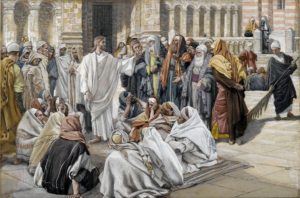
The gospel taken from the evangelist St. Matthew narrates to us about the question of taxes. The Pharisees were trying to catch Jesus in a trap. Since Israel was under the Roman Empire, every Jew was forced to pay taxes to Cesar Augustus.

The Jewish leaders noticed the growing popularity of Jesus amongst the people. His power and authority become visibly detrimental to the religious elders. They are asking Jesus, who is a Jew, whether He should pay the census tax or not. This is a catch for them to know whether the allegiance of Jesus is for the Roman authorities or the Jewish authorities.

There are some important and interesting notes, of which we must be aware, to understand this gospel pericope.

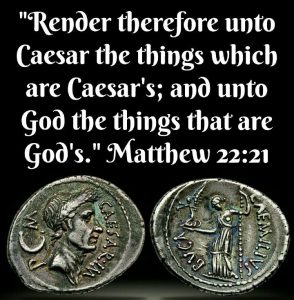
First, the Roman coin. There are two sides to every coin with Caesar’s image on one side and the other side the image or inscription reminding them of God. The former invites us to see the temporal authority of the world it represents, and the latter is God’s embracing love for the world and revealing His everlasting power and authority.

Second, Jesus asked them to show him the coin. “Whose image is this and inscription is this?” They responded, “Caesar’s”. Jesus said to them, “Then repay to Caesar what belongs to Caesar and to God what belongs to God.” Jesus responded with the truth and clarity that as citizens we have the responsibility to the country and to our God rendering all praise and thanksgiving. Our vocation is to be faithful as God is because He is the Almighty . As God’s creation, we absolutely belong to God.

Third, how do we repay God for what belongs to God? Today’s psalm says, “Give the Lord glory and honor.” We repay to God what is God’s by accepting who we are and whose we are. I believe this is how we repay God, to come together celebrating the Eucharist and encountering and journeying together as brothers and sisters seeing God’s image in each and every one of us. Therefore, God expects us to reveal His image by our ways, by always showing kindness to all and righteousness.

Indeed, the image of God is upon us according to our graciousness, good works and certainly radiates through our profound spirituality. By being responsible citizens and faithful to God, we become a blessing to society and to the Church. God bless you.

Fr. Arlon, osa

—————————-

El Dictado del Corazón

Vigésimo Noveno Domingo del Tiempo Ordinario, año A (Domingo Mundial de las Misiones)

  • Isaías 45:1, 4-6
  • 1 Tesalonicenses 1:1-5
  • Mateo 22:15-21

Hoy es el Vigésimo Noveno Domingo del Tiempo Ordinario, año A. Nuestro calendario litúrgico designa hoy como el Domingo Mundial de las Misiones. Este es un día en el que debemos pensar en cómo podemos ayudar a la Iglesia a difundir el evangelio. Tal vez dedicando tiempo a orar por todos los misioneros de todo el mundo o adoptando un grupo misionero para compartir una parte de sus bendiciones financieras apoyando a sus seminaristas. Soy un misionero Agustino que trabaja en los Estados Unidos desde hace dieciséis años. Doy gracias a Dios por bendecirme con la gracia y la fuerza para seguir evangelizando a las personas.

Recientemente, el 9 de Octubre, una Señora que regreso a la fe Cristiana, llamó a la parroquia porque quería hablar con un sacerdote católico. Entonces, tomé la iniciativa de devolverle la llamada y me presenté a ella. Luego comenzó a quejarse de su vecina católica a quien acusó de acosarla enviándole materiales de lectura católicas. Le dije que probablemente Dios había sido bueno al darle una nueva perspectiva sobre la fe cristiana. Además, dije, probablemente era la manera en que Dios aprende de la fe de los demás, y el catolicismo se centra en Cristo, en quien ella también cree. Por último, le dije que volviera a hablar con su vecina católica y que le agradeciera en lugar de molestarse. Ella escuchó y la invité a venir a la Iglesia de Santa Teresa a verme a mi oficina, porque todos son bienvenidos. Terminamos nuestra conversación cordialmente. Quizás esto nos recuerde que un enfoque eficaz en la obra misional es comenzar con respeto y ofrecer una mano amigable.

La primera lectura del libro de Isaías nos dice que Dios habla a través de él diciendo: “Yo soy el Señor y no hay otro, no hay Dios fuera de mí”. Este es el llamado de Dios a través del profeta Isaías a que necesita ayuda de su pueblo y de líderes militares no judíos para someter todas las fuerzas contra Israel y bajo el mismo Dios Único, el Santo de Israel, el Dios de todos.

El evangelio tomado del evangelista San Mateo nos narra la cuestión de los impuestos. Los fariseos intentaban capturar a Jesús en una trampa. Como Israel estaba bajo el Imperio Romano, todos los judíos estaban obligados a pagar impuestos a César Augusto.

Los líderes judíos notaron la creciente popularidad de Jesús entre la gente. Su poder y autoridad se vuelven visiblemente perjudiciales para los ancianos religiosos. Le preguntan a Jesús, que es judío, si debe pagar el impuesto del censo o no. Esta es una trampa para que sepan si la lealtad de Jesús es para las autoridades romanas o para las autoridades judías.

Hay algunas notas importantes e interesantes que debemos tener en cuenta para comprender el extracto del texto del evangelio.

Primero, la moneda romana, cada moneda tiene dos caras: en una cara la imagen del César y en la otra la imagen de Dios. El primero nos invita a ver la autoridad temporal del mundo que representa y el segundo es el amor abarcador de Dios por el mundo y la revelación de Su poder y autoridad eterna.

Segundo, Jesús les pidió que le muestren la moneda. “¿De quién es esta imagen y de quién es la inscripción?” Ellos respondieron: del César”. Jesús les dijo: “Den, pues, al César lo que es del César, y a Dios lo que es de Dios”. Jesús respondió con la verdad y claridad, que como ciudadanos tenemos la responsabilidad con la patria y con nuestro Dios rindiendo toda alabanza y acción de gracias. Nuestra vocación es ser fieles como Dios es fiel. Como creación de Dios, pertenecemos a Dios.

En tercer lugar, ¿cómo le pagamos a Dios por lo que le pertenece? El salmo de hoy dice “Dad al Señor gloria y honra”. Le devolvemos a Dios lo que es de Dios aceptando quiénes somos y quiénes somos. Creo que así es como le pagamos a Dios, unirnos para celebrar la Eucaristía y encontrarnos y caminar juntos como hermanos y hermanas viendo la imagen de Dios en cada uno de nosotros. Por lo tanto, Dios espera que revelemos Su imagen a través de nuestros caminos, haciendo siempre bondad y justicia para con todos.

De hecho, la imagen de Dios está sobre nosotros según nuestra gracia y buenas obras y ciertamente irradia a través de nuestra profunda espiritualidad. Siendo ciudadanos responsables y fieles a Dios, nos convertimos en una bendición para la sociedad y la Iglesia.

Dios los bendiga.

P. Arlón, osa

The Dictate of the Heart: 21st Sunday after Pentecost, Extraordinary Form (TLM)

Today is the 21st Sunday after Pentecost. I will be attending the 4th National Assembly of the Filipino Clergy in America in New Jersey for a week. I am representing the Diocese of Reno, which is also part of the Clergy Continuing Education. Canon of Christ the King will be coming to celebrate mass for you. I am letting you know that I will celebrate mass on the Feast of All Saints’ Day at 6pm here at Holy Spirit Mission.

The letter of St. Paul to the Ephesians reminds them that believing in Jesus as God’s anointed one, the Lord of all, would shape or transform their lives. St. Paul says, “Put on the armor of God, that you may be able to stand against the deceits of the devil.” It means that we must desperately look for this “armor” to claim our freedom from this evil disturbing us and the whole world by simply standing fast to our faith in Jesus.

Think of what is directly happening now, the conflicts around the world, especially in Israel against the terrorists called HAMAS. We should understand that the hostility is emanating from larger, darker, spiritual forces. St. Paul believes that the battle is not flesh and blood (Eph. 6:12) but dark and dangerous powers who do rule the world at the present time. Such forces of evil cannot be fought by the believers, all of us only, but can be resisted by becoming vigilant. Be faithful to God at all times, and put on armor of God to resist in the evil day…”take your helmet of salvation, and the sword of the spirit, which is the word of God.” We are followers of the Lord, who are girded in truth, faith, peace, the Spirit through the word, and in prayer for our defense and strength. Remember that our survival strategy in a hostile world is not a strategy of aggression, is not to put on our armor for aggressive action against anyone, but an armor is to empower us to withstand the evils that surround and threaten us. I am confident that our Lord Jesus Christ already conquered death for us and now rules in the heavenly places. Furthermore, this passage calls for considered, corporate resistance to evil when and wherever it is embodied in the structures of the world one lives in, through the power of God. We can confidently testify that the Lord who lives in the heavenly places has already won the battle.

The gospel today, taken from St. Matthew, is imbued with the genuine face of mercy as we remember that Peter, at one point, asked the Lord this question: “Lord, if my brother sins against me, how often must I forgive him?” We must imitate God’s way to be kind and merciful, slow to anger, and rich in compassion. How much do we realize that we are called to be forgiving and to be merciful towards others in relation to the gospel?

First, think about God’s generous attitude towards us, that is providing an avenue for healing and comfort by way of pardoning our sins through healing and redeeming action. When we know that we are forgiven, we must be grateful to God for letting us feel how much we are loved.

Second, we are all second chancers. I know that the forgiven debtor failed to realize and to understand that the king’s attitude to forgive him is his way out to be merciful to the person who owed him as well. However, it did not sink into his heart, so he continued oppressing him with an unforgiving heart. His evil heart never changed him as a person. This should not happen. When we know that the grace of forgiveness is received, we also must be dispensers of that same grace of forgiveness. Never be stingy with the goodness we have received, for it guides us to follow a better path in our life.

Third, Jesus narrates the story considerably harsh, when He tells us the king throws the unforgiving, forgiven debtor into prison until the debt is paid. This is a figurative speech. It means that if we can hardly forgive others’ sins against us, certainly God is going to apply the same measure toward us, or else we would be imprisoned into eternal damnation, the prison of eternal fire where there is no way out for redemption.

In today’s mass, let us open our hearts to the grace of forgiveness and mercy. I believe God is always present to heal our hurts, pains, and struggles, especially to accept those who are difficult to be with. The grace of God is so abundant that we cannot set a limit to forgiving.

God bless you.

Fr. Arlon, osa

The Dictate of the Heart: 20th Sunday after Pentecost

Today, God is gazing at us as we enter the Church. Many of you would say to me, it is visible that the eyes of Jesus and Mary are directly focused on some of you. Jesus and Mary are the eyes of light shining upon us so that we can walk worthily in our calling as Catholics. St. Paul commanded us to walk in love as we imitate God as His children. (Ep.5:2). We ask God today for both forgiveness and peace so that we may always be cleansed from all offenses and be with a quiet mind so that we may fully serve Him.

In today’s epistle, taken from the letter of St. Paul to the Ephesians, we are told that as we continue to walk here on earth, it requires wisdom. When we encounter this text from the book of Proverbs 1:7, “The fear of the Lord is the beginning of knowledge, fools despise wisdom and instruction,” we simply argue, how can we fear the Lord, when He is Love? We must put it in the proper context that those who are unwise and fools do not have the fear of the Lord. Therefore, we need to walk with knowledge and wisdom because the fear of the Lord is the beginning of knowledge and wisdom. The world claims to be wise, but God says they are fools. (Rom 1:22) Knowledge, wisdom and understanding are needed to discern God’s will.

When we drink too much wine or are under the influence of drugs, the spirit of alcohol and substance fills one with an evil spirit and not what St. Paul says, “Be ye filled with the Holy Spirit.” Now that we realize the contrast of influence, don’t be under the influence of alcohol; it is better to be under the influence of the Holy Spirit. Do not waste your life in unfruitful activities, like lewdness, lusts, drunkenness, revelries, drinking parties, abominable idolatries, foolishness, worldliness, and darkness, according to St. Paul.

Being filled with the Holy Spirit is the beginning that God will start speaking to you in your heart. There is peace, joy, calmness, satisfaction, and comfort that will be ours. There will be plenty of time for reading scriptures, singing hymns, listening, meditating and praying, which will be the awesome transformation in life.

The gospel narrates to us about the royal official who was not a follower of Christ, but who seemingly heard about Jesus’ healing ministry. He knows that Jesus can heal his ailing son. His faith is based on what he heard, and he most probably saw some of Jesus’ miracles. Hence, he approached the Lord for help.

First, the royal official was persistent and never stopped asking for help from Jesus. The man is not ready to accept a “No” answer from Jesus. Because of his persistence, Jesus said to him, “Go thy way, thy son lived.” He believed the words that Jesus spoke to him. This is what is needed to be done in terms of our own faith and belief in Jesus. Our own spirituality needs that constancy and perseverance in matters of faith in Jesus.

Second, Jesus’ first response is a rebuke of not just the official’s faith, but to all the people who were just interested in signs and wonders rather than in the identity of Jesus. “Unless you people see miracles and wonders,” Jesus told him, “You will never believe.” (v.48). This is also a warning to us that we have the genuine knowledge about the Lord. He is the Messiah and God who came down thru His son, our Lord. This is the mystery and the wonder of God, who continues to reveal himself even to this day.

Third, the official went back to Capernaum and while on his way home, he meets some of his servants who bring the good news that his son is alive. He inquired as to what time his son got better, and they said, “yesterday at the seventh hour.” He realized that it was the same time that Jesus had spoken the words of healing. As a result, the official and all his household believed in Jesus. (v. 53)

Our faith in the Lord only goes deeper when we are healed or our prayers are answered. However, we need to believe in the words of Jesus and later see the results. I don’t doubt when I am asking anything from Jesus. Our faith must not be nurtured by mere healing, or any other miracles, but by strengthening our relationship and encounter with Christ in our lives. Faith based on miracles alone is deficient.

Let us ask God to give us His grace so that our faith will grow and that we learn to take every word of Jesus so that, guided by His Holy Spirit, we will know how we can take action even when we don’t see immediate results.

God bless you.

Fr. Arlon, osa

The Dictate of the Heart: 27th Sunday in Ordinary Time, Year A

Today is the 27th Sunday in Ordinary Time, Year A. As Catholics, we heed the call of the Blessed Virgin Mary to offer our humble recitation of the Holy Rosary for the reparation of sins. It is beautiful to continue this beautiful tradition to pray together, especially in this time, to be spared from appalling destruction.

God brings us together as the Church, the vineyard of the Lord here on earth, according to Vatican II. In both the Old and the New Testaments, the people of Israel represented by the grape vine. I am wearing a green chasuble with the embroidered image of a grape vine to remind us of our common bonding and relationship as the chosen people, planted by God to bear many fruits. Are we receptive of that call to produce the fruits of justice, peace and love?

The first reading from the book of Isaiah is his lamentations about his friend’s vineyard. He planted the choicest of vines and planted in a fertile ground yet “what yielded was wild grapes.” So, what he did was to “take away its hedge, give it to grazing, breakthrough its walls, let it be trampled.” It simply means to tear down. This is the image of God who planted a good crop for the people of Israel then tribe. The chosen people became a nation. Because of their pride, infidelity, and indifference the nation was rotten. It was by their own making the downfall of the chosen people, massive destructions, injustices committed by many, and bloodshed all over, and God was deeply hurt and disappointed.

The second reading from the letter of St. Paul to the Philippians tells us that the fruitful harvest in the kingdom of God is “by prayers, and petition with thanksgiving.” It assures us of plentiful harvest as a nation. St. Paul says, “Have no anxiety at all,” for the graciousness and presence of God sustains this earthly vineyard. Thus, after the Creed there is a Universal Prayer (Prayers of the Faithful) which offers all our personal and communal intentions to signify the Church as the Body and the vineyard of God. Christ shares with us His priestly role of interceding for various needs of the Church to the Father.

The gospel taken from St. Matthew is another parable to remind us of Israel as a chosen nation made in God’s vineyard. The vineyard was under lease and the landowner just receives rental and shares of the harvest. What has been transpired in the parable is the history of Israel in its allegory form.

First, God made His vineyard very pleasing to His sight. He was able to invest a lot for the growth to expect good and fruitful harvest. God, as the landowner, was successful then slowly, people transgressed against God, the landowner. The chosen people were unfaithful and were not keeping their promises.

Second, the landowner leased his vineyard to the tenants and went for a journey. When the harvest time came, he sent servants to take his share of the harvest that was due to him. However, the tenants choose not to pay and abuse the servants. These servants were the prophets whom God sent to Israel, only to see them abused and killed.

Third, the owner sends his son, thinking that they would respect him, but instead he was killed by the tenants. This refers to the sending of His only Son, Jesus Christ; however, they rejected Him and killed His Son as well.

God is a merciful owner. God has worked so hard through our Lord Jesus to bring back the glory of His Kingdom here on earth. We know that the kingdom or the vineyard is not ours, but I am sure that we belong to it. We must be responsible to keep God’s vineyard and we must work constantly bring forth good produce.

Let us be more receptive to the Word and the Eucharist, offer prayer of petitions to improve our relationships and responsibilities to the vineyard where we are part of in bringing life and wonderous produce to the Church today.

God bless you.

Fr. Arlon, osa

————————-

El Dictado del Corazón:  Vigésimo Séptimo Domingo del Tiempo Ordinario, año A

  • Isaías 5:1-7
  • Salmo 80:9, 12, 13-14, 15-16, 19-20
  • Filipenses 4:6-9
  • Mateo 21:33-43

Hoy es el Vigésimo Séptimo Domingo del Tiempo Ordinario, Año A. Como católicos, atendemos el llamado de la Santísima Virgen María de ofrecer nuestra humilde recitación del Santo Rosario para la reparación de los pecados. Es hermoso continuar con esta hermosa tradición de orar juntos, especialmente en este momento, para salvarnos de una destrucción atroz.

Dios nos reúne como Iglesia, la viña del Señor aquí en la tierra según el Vaticano Segundo. Tanto en el Antiguo como en el Nuevo Testamento, el pueblo de Israel está representado por la viña. Llevo una casulla verde con la imagen bordada de una vid o parra, para recordarnos nuestro vínculo y relación común como pueblo elegido, plantado por Dios para dar muchos frutos. ¿Estamos receptivos a ese llamado a producir frutos de justicia, paz y amor?

La primera lectura del libro de Isaías son sus lamentaciones sobre la viña de su amigo, quien plantó las mejores vides y las plantó en un terreno fértil, pero “lo que dio fueron uvas silvestres”. Entonces, lo que hizo fue “quitarle el seto, darle pasto, romper sus muros, dejarlo pisotear”. Simplemente significa derribar. Esta es la imagen de Dios que plantó una buena cosecha para el pueblo de Israel a una tribu, sin embargo, la nación estaba podrida, infiel y por su propia creación provocó la caída del pueblo escogido, destrucciones masivas, injusticias cometidas por muchos, derramamiento de sangre. Todo terminó y Dios quedó profundamente herido y decepcionado.

La segunda lectura de la carta de San Pablo a los Filipenses nos dice que la cosecha fructífera en el reino de Dios se logra “con oraciones y peticiones con acción de gracias”. Nos asegura una cosecha abundante como nación. San Pablo dice: “No tengáis ninguna inquietud”, porque la gracia y la presencia de Dios sostienen esta viña terrenal. Así, después del Credo, hay una Oración Universal (Oraciones de los Fieles) que ofrece todas nuestras intenciones, personales y comunitarias. intenciones de significar la Iglesia, como Cuerpo y viña de Dios, Cristo comparte con nosotros su papel sacerdotal de interceder por las diversas necesidades de la Iglesia ante el Padre.

El evangelio tomado de San Mateo es otra parábola que nos recuerda a Israel como una nación elegida hecha de la viña de Dios. El viñedo estaba arrendado y el propietario sólo recibía alquiler y parte de la cosecha. Lo que ha ocurrido en la parábola es la historia de Israel, en su forma de alegoría.

Primero, Dios hizo que Su viña fuera muy agradable a Su vista. Pudo invertir mucho para el crecimiento y esperar una cosecha buena y fructífera. Dios como terrateniente tuvo éxito, pero poco a poco la gente transgredió a Dios, el terrateniente. El pueblo elegido fue infiel y no cumplió sus promesas.

En segundo lugar, el terrateniente arrendó su viña a los labradores y se fue de viaje. Cuando llegó el tiempo de la cosecha, envió sirvientes para que participaran en la cosecha que le correspondía. Sin embargo, los inquilinos optan por no pagar y abusan de los sirvientes. Estos siervos eran los profetas que Dios envió a Israel, sólo para verlos abusados y asesinados.

En tercer lugar, el propietario envía a su hijo, pensando que lo respetarían, pero los inquilinos lo mataron. Esto se refiere al envío final de Su único Hijo, Jesucristo, sin embargo, lo rechazaron y mataron a Su Hijo también.

Dios es un dueño misericordioso. Dios ha trabajado tan duro a través de nuestro Señor Jesús para traer de vuelta la gloria de Su Reino aquí en la tierra. Sabemos que el reino o la viña no es nuestro, pero estoy seguro de que pertenecemos a él. Debemos ser responsables de mantener la viña de Dios produciendo constantemente buenos productos.

Seamos más receptivos a la Palabra y la Eucaristía, ofrezcamos una oración de peticiones para mejorar nuestras relaciones y responsabilidades con la viña donde somos parte para traer vida y productos maravillosos a la Iglesia de hoy.

Dios los bendiga.

P. Arlón, osa

The Dictate of the Heart: 19th Sunday after Pentecost, Extraordinary Form, TLM

Today is the 19th Sunday after Pentecost. It is a lovely day for us to start our week right. Today’s readings cite our continuous response to Christian renewal, and the gospel reminds us of our worthiness of the wedding feast, the Eucharist, which we celebrate every Sunday.

The epistle, taken from the letter of St. Paul to the Ephesians, is a reminder to all about how we shape ourselves as followers of Christ, being transformed disciples. “Transformed disciples” means that our character and personality must mirror that of Christ. Inspired by St. Augustine’s experience on how he changed and was converted for Christ, there is hope for everyone. His old self is what he recognized and surrendered to Christ and authentically progressed to walk with God’s grace. His conversion of mind and heart were the two essential actions to experience complete transformation.

St. Paul says, “Brethren, be ye renewed in the spirit of your mind, and put on the new man, who according to God is created in justice and holiness of truth.” This is how God afforded us the ability to be spiritually renewed by frequently spending time for prayers and meditation, reading the scriptures and constant communication with God with an open heart. Our spiritual strength guarantees our ability to renew the world as well. This is our way to sanctification, which means a process by which we work along with God to become more like Jesus Christ. It is our total resignation that we seek spiritual transformation, which certainly follows good works and active participation in good things.

Are you consistent to open your heart and mind to be renewed and transformed by moving away from your old self? Take advantage of the many resources God has been giving you for your spiritual growth. Keep growing and seek God’s grace for your renewal, and ask God to help you so you will see that growth.

The gospel from St. Matthew narrates to us the parable of the wedding feast. Our concept of God’s kingdom is like a wedding feast. There are so many invited people, including the attendants, the entourage, the groom and the bride. God is the King, and his son is the bridegroom. The bride is the Church. The attendants are righteous people who have prepared themselves to be in the presence of God. The man not properly dressed symbolizes the sinners.

If you read the earlier verses of the gospel, you learn that Jesus explains how God sent His prophets to His chosen people, the Israelites, but they were mistreated and killed. God was angry due to the Israelites’ rejection of His goodness. Thus, He decided to also invite to the Kingdom of Heaven all the other nations and people, like the gentiles, besides the people of Israel.

In this parable, the people on the main roads are the people who have heard and valued the invitation of God to His kingdom. However, one of the discussion points is the man who did not have on a wedding garment. What is the wedding garment? How do we understand this man’s eviction from the wedding feast and “cast him into the exterior darkness?”

Brothers and sisters, the wedding garment symbolizes the state of being prepared in our hearts to know, to love and glorify God all the days of our lives. It is the state of our interior life that we truly evaluate and check. We are invited by God; and we must heed His call of repentance so that we are ready to embrace His holy presence.

On the final day of judgment, we will be assembled, and He will isolate all those who are not prepared, meaning unrepentant, those who refused to believe in Him and those who are indifferent and passive by their own decision. The true King will send them to the fiery furnace where there will be weeping and grinding of teeth.

Today, we realize that the patience of God has been afforded to us. Let us be prepared always for the last day when Jesus Christ, the King, will come to gather those of us who are worthy of His presence to join Him in the Kingdom of Heaven, while those who do not have the “wedding garment” will have the time to stick to the core mandate to know, to love and to serve Him. Let us always glorify His name in all we do.

Therefore, a changed lifestyle is necessary to give us an assurance of our final destiny and to avoid the choices of the world, participating in sensuality and corruption of body and soul. Do these activities of viewing, listening, reflecting and evaluating our lives which lead us to holiness.

God bless you.

Fr. Arlon, osa

The Dictate of the Heart: 26th Sunday in Ordinary Time, Year A

Today is the first Sunday of October, the month of the Holy Rosary. I encourage everyone to please continue to recite the Holy Rosary for the reparation and for the conversion of the whole world. It is an immediate response to the many unexplained realities pulling us down to the abyss of evil. We need to get an inspiration to persevere in praying for the transformation of the world through the guidance, aid and protection of our Holy Mother Mary.

We are in the 26th Sunday in Ordinary Time, year A. Our belief in Christianity is about relationships with God and others. What matters is how we “walk the talk” rather than mere expression of words. It is about the constancy of the things we do in the right way. Today’s readings, like the first reading from the book of Ezekiel, cites to us the word of the Lord to the Prophet Ezekiel, “You say, the Lord’s way is not fair, Hear now, house of Israel: Is it my way that is unfair, or rather, are not your ways are unfair.” What a beautiful reminder from the Lord, that it is through our inequity and wickedness that we begin to tarnish our relationship with God, but our commitment to do good preserves our life.

The second reading from the letter of St. Paul to the Philippians reminds us of this piece of advice, “Do nothing out of selfishness or out of vainglory, rather, humbly regard others as more important than yourselves.” (v. 3) It expresses the fundamental attitude of imitating the humility of Jesus as the core value of our Christian lives. Jesus “humbled himself, becoming obedient to the point of death, even death on a cross.” Imitating Christ’s humility is indeed a challenge, but Jesus, both human and divine, becomes like us in all things and makes it possible to follow and imitate Him.

The gospel taken from St. Matthew is about the parable of the two sons. Beginning today, there are three consecutive Sundays where we will be hearing parables. Parables are the inspiring and earthly stories of Jesus with heavenly messages. It is interesting to know that Jesus has used ordinary and common happenings that are now happening in the world. He had grasped every opportunity to make stories which people could easily understand; however, there is a certain requirement, be first a “listener of Christ.” This parable is an opportunity for Jesus to teach the scribes and elders in Israel. There are three things I would like to delve on with this parable:

First, the two sons are required to answer, “yes or no,” to the invitation of Jesus to go and work in His vineyard. Obviously, the Scribes and elders answered a resounding “yes” because they were the first ones to hear the word of God. According to history, they were the chosen people of Israel and believed they were upright people by virtue of being recipients of God’s word. They said “yes” but did not respond to the invitations of Jesus; therefore, they never gained entrance into the kingdom. Their pride made them unable to accept Jesus, and they don’t want to belong to His mission of inaugurating the Kingdom of God.

Second, the other son responded “Nope,” to Jesus’ invitation. There were tax collectors and prostitutes. After some time, they listened to the call of Jesus seriously and then they became repented former sinners. They changed their “No” answer to a life changing “Yes” to the call of the vineyard of God.

Third, I believe that we are having lukewarm reactions to the invitation of the Lord. Maybe some of us would say “No,” when our life guarantees pleasure and comfort and when everything seems so easy and happy, unmindful of Jesus’ call to be with Him in the vineyard. However, when crises start to strike us, our negative response to God seems to be a lightning of fear and tribulation that we say, “Yes,” to the Lord.

Brothers and sisters, please let us not wait to be stricken by sickness, trials, agony, despair, brokenness, family disintegration, and natural calamities in order to change our hearts and minds to commit to Jesus. We must be realistic to be confronted with our human insufficiency and mortality. Let us deal with our lives with openness to the spirit to accept and live through the offering of Jesus’ mercy and compassion. Today’s Psalm 25:4-5, 6-7, 8-9  says, “Remember your mercies, O Lord,” I often think God will be happy if we try to live moral lives. Our journey of faith would be difficult if we cannot accept forgiveness and leave behind our recurring horrible ways. It is not yet too late to change our hearts and decide to keep God’s calling to holiness. Let us remain humble in following God’s ways. God bless you.

Fr. Arlon, osa

————————-

El Dictado del Corazón
Vigésimo Sexto Domingo del Tiempo Ordinario, Año A

  • Ezequiel 18:25-28
  • Salmo 25:4-5, 6-7, 8-9
  • Filipenses 2:1-11 o 2:1-5
  • Mateo 21:28-32

Hoy es el primer Domingo de Octubre, mes del Santo Rosario. Invito a todos a que por favor sigan rezando el Santo Rosario por la reparación y la conversión del mundo entero. Es una respuesta inmediata a las muchas realidades inexplicables que nos arrastran al abismo del mal. Necesitamos inspiración para perseverar en la oración por la transformación del mundo a través de la guía, ayuda y protección de nuestra Santa Madre María.

Estamos en el Vigésimo Sexto Domingo del Tiempo Ordinario, año A. Nuestra creencia en el cristianismo tiene que ver con la relación con Dios y con los demás. Lo que importa es cómo “predicamos con el ejemplo” y no una mera expresión de palabras. Se trata de la constancia de las cosas que hacemos de la manera correcta. Las lecturas de hoy, como la primera lectura del libro de Ezequiel, nos citan la palabra del Señor al profeta Ezequiel: “Tú dices: El camino del Señor no es justo. Escucha, casa de Israel: ¿Conque es injusto mi proceder? ¿No es más bien el proceder de ustedes el injusto? Qué hermoso recordatorio del Señor, que es nuestra inequidad y maldad lo que comenzamos a empañar nuestra relación con Dios. Pero nuestro compromiso de hacer el bien preserva nuestra vida.

La segunda lectura de la carta de San Pablo a los Filipenses nos recuerda este consejo: “Nada hagan por espíritu de rivalidad ni presunción; antes bien, por humildad, cada uno considere a los demás como superiores a sí mismo y no busque su propio interés, sino el del prójimo”. (v. 3) Expresa la actitud fundamental de imitar la humildad de Jesús como valor central de nuestra vida cristiana. Jesús “se humilló a sí mismo, haciéndose obediente hasta la muerte, y muerte de cruz”. Imitar la humildad de Cristo es ciertamente un desafío. Pero Jesús, a la vez humano y divino, se parece a nosotros en todo y permite seguirlo e imitarlo.

El evangelio tomado de San Mateo trata sobre la parábola de dos hijos. A partir de hoy, son tres Domingos consecutivos donde escucharemos parábolas. La parábola son las historias inspiradoras y terrenales de Jesús con mensajes celestiales. Es interesante saber que Jesús ha utilizado acontecimientos ordinarios y comunes que están sucediendo en el mundo. Había aprovechado cada oportunidad para dar ejemplos con las historias para que la gente pudiera entender fácilmente, sin embargo, hay un cierto requisito: ser primero un “oyente de Cristo”. Esta parábola es una oportunidad para que Jesús enseñe a los escribas y a los ancianos de Israel. Hay tres cosas en las que me gustaría profundizar en esta parábola:

Primero, se requiere que los dos hijos respondan “sí o no” a la invitación de Jesús de ir a trabajar en su viña. Los escribas y los ancianos respondieron con un rotundo “sí” porque fueron los primeros en escuchar la palabra de Dios. Según la historia, eran el pueblo elegido de Israel y se creían personas rectas en virtud de ser destinatarios de la palabra de Dios. Dijeron “sí”, pero no respondieron a las invitaciones de Jesús, por lo tanto, nunca lograron la entrada al reino. Su orgullo los hizo incapaces de aceptar a Jesús y no quisieron pertenecer a Su misión de inaugurar el Reino de Dios.

Segundo, el otro hijo, respondió “No”, a la invitación de Jesús y eran recaudadores de impuestos y prostitutas. Después de un tiempo, escucharon seriamente el llamado de Jesús y luego se arrepintieron ante los antiguos pecadores. Cambiaron su respuesta de “no” por un “Sí” que les cambió la vida, al llamado de la viña de Dios.

En tercer lugar, creo que estamos teniendo reacciones tibias ante la invitación del Señor. Quizás algunos de nosotros diríamos “No”, cuando nuestra vida garantiza placer y comodidad. Cuando todo parece tan fácil y feliz, sin tener en cuenta el llamado de Jesús a estar con Él en la viña. Sin embargo, cuando las crisis comienzan a golpearnos, nuestra respuesta negativa a Dios parece ser un relámpago de miedo y tribulación que decimos “Sí” al Señor.

Hermanos y hermanas, por favor no esperemos a ser golpeados por enfermedades, pruebas, agonía, desesperación, quebrantamiento, desintegración familiar y calamidades naturales para cambiar nuestros corazones y mentes y comprometernos con Jesús. Debemos ser realistas para enfrentarnos a nuestra insuficiencia y mortalidad humanas. Tratemos nuestras vidas con apertura al espíritu para aceptar y vivir a través del ofrecimiento de la misericordia y la compasión de Jesús. En el Salmo 24:4-5, 6-7,8-9 de hoy, “Descúbrenos, Señor, tus caminos.”, a menudo pienso que Dios será feliz si tratamos de vivir una vida moral. Nuestro camino de fe sería difícil si no pudiéramos aceptar el perdón y dejar atrás nuestros horribles caminos recurrentes. Aún no es demasiado tarde para cambiar nuestro corazón y decidir mantener el llamado de Dios a la santidad. Seamos humildes al seguir los caminos de Dios.

Dios los bendiga.

P. Arlón, osa

The Dictate of the Heart: 18th Sunday after Pentecost, Extraordinary Form, TLM

Today is the 18th Sunday after Pentecost. It is the first day of the month of October, the month of the Holy Rosary. When I first came here in 2019, I heard some people reciting the rosary, but during covid it was gone. How I wish to bring the recitation back again here. Maybe for those who come early to start the rosary at 7 AM while the priest is hearing confession, it is indeed necessary. It only takes 15 minutes to offer a communal rosary every Sunday.

The epistle today from the first letter of St. Paul to the Corinthians narrates to us about the promise of God that, through the merits of Jesus Christ, we have clothed ourselves with the Holy Spirit as His adopted children. We become aware of doing good works simply because His words illuminate our spiritual life to be filled with every good thing, peace, joy and love.

St. Paul was able to share this truth with the Christians at Corinth who, despite being endowed with many spiritual gifts, were lacking in true spirituality and Christian maturity. Despite being empowered by the Holy Spirit of God, these Corinthian believers chose to live according to their fleshly lusts and were not walking in spirit and truth.

Nevertheless, in God’s grace and mercy, these Christians in Corinth were never
despised by the Lord, who enriched them with knowledge and commitment in Him. I believe that, like the people of Corinth, we too have been sustained and reckoned to be blameless. This tremendous promise rests solely on Christ’s perfect sacrifice, which in this Eucharist we celebrate, for we are accepted by God. We are identified with Him in His death and in His life – death to the old and embrace His life in the new and everlasting life. We are truly blessed in Christ because we are recipients of the many blessings given to all believers.

Today’s gospel reading from St. Matthew narrates to us about the healing ministry of Jesus demonstrating the unusual supernatural powers He possessed. Some men bring a paralyzed man on a mat to Jesus for healing. This is another evidence of great faith in Jesus. Today we are going to learn how Jesus is not merely an ordinary healer, but He also has the power and authority to forgive sins and clearly we understand that these attributes point towards Jesus being the true Messiah. Together we journey through this passage to understand important points.

First, Jesus has the authority to heal. He comes to liberate men from the bondage of evil. In every miracle He magnifies the glory of God, both in the physical and the spiritual healing. Jesus became known throughout Galilee, Capernaum and neighboring places to the point that nearly everyone seems attracted to Him because of His teaching and healing. Just imagine carrying the paralytic on a mat, obviously having great faith in Jesus that He could heal. Though they were not expressing their belief in the Lord, their action of bringing a friend to Jesus is proof of their faith in the Lord.

Second, Jesus says, “Have courage, son, your sins are forgiven,” (v.5). It means that Jesus has the power to forgive. For the experts of the law, it is unthinkable for Jesus having the power to forgive sins because according to their frame of mind, only God could forgive sins. Critics of Jesus entirely cannot understand that He has the authority of God because He is God. Of course, the paralyzed man needed to be healed from his paralysis, but he needed from Jesus, not just healing, but the forgiveness of his sins even more. May He set us free from evil, which is the cause of sin and all kinds of sickness in the world.

Third, Jesus says, “Get up, take up thy bed, and go into thy house.” (v.6) “And the multitude seeing it, feared and glorified God, who had given such power to men.” (v.8) The healing was witnessed by many people, and they were amazed at what Jesus did, which made them start to realize a little bit more about who Jesus was.

Jesus worked with great power, but Jesus did not do that for show. He did not have to create havoc and commotion; He manifests God’s mercy and power. The gospel of St. Matthew is pointing us to Jesus being God, for He comes to save sinners. Go to Jesus and receive forgiveness, healing of physical pain, emotional hurt, sinful addiction, psychological confusion, spiritual malady and pride. Just as the men in the gospel took their friend to Jesus, we should take others to Jesus as well. God bless you.

Fr. Arlon, osa