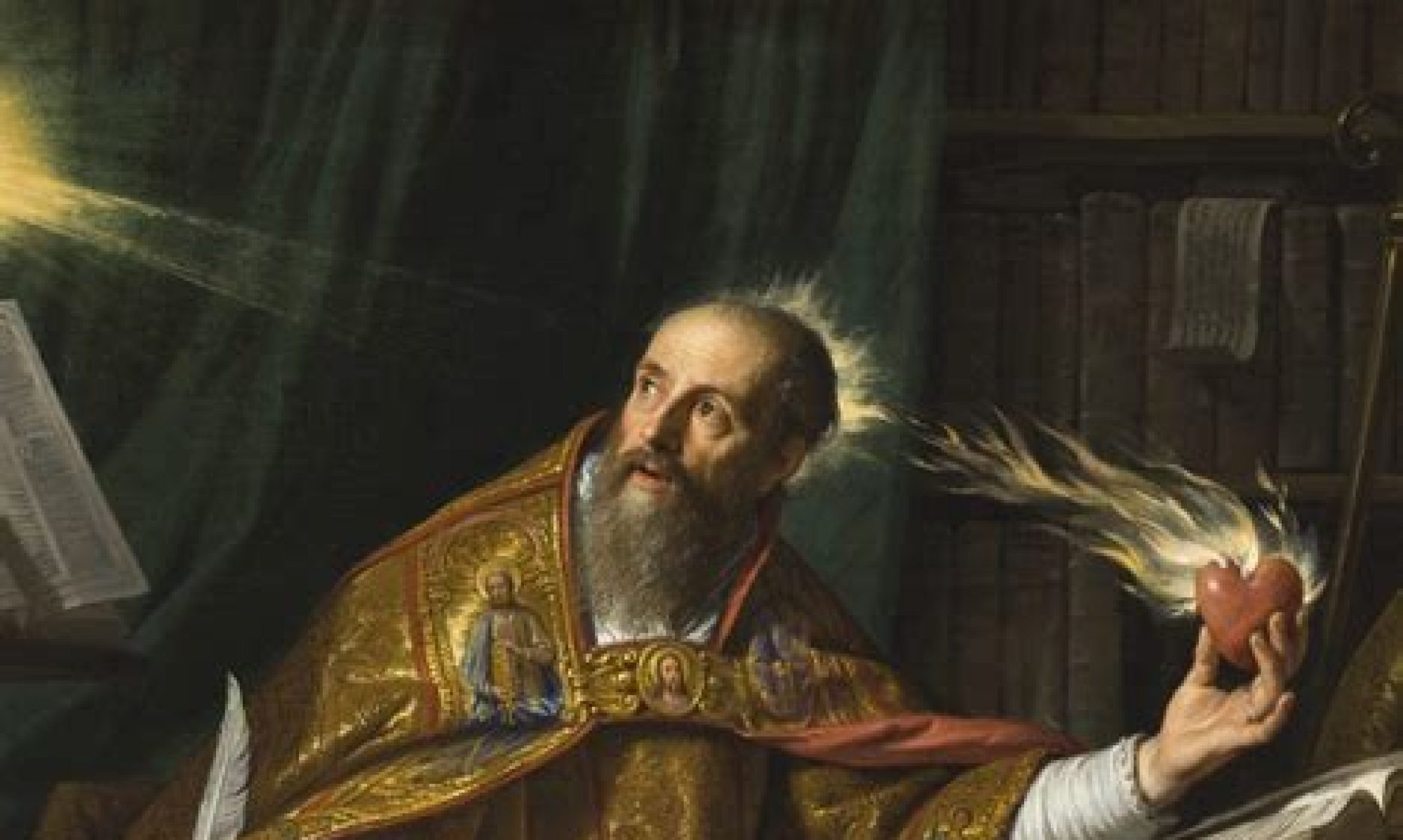
The Dictate of the Heart: Palm Sunday, Year A

Today we celebrate Palm Sunday, the first day of Holy Week, the most solemn week in the Church’s calendar. On this day we begin to reflect on the events that brought about our salvation.

I remember when I was a small child: people would gather outside the church entrance holding palm branches, waiting for the priest to bless them. For us children, it was a joyful day. We waved our palms as we entered the church, commemorating the entrance of Jesus Christ into Jerusalem. Together we shouted: “Hosanna to the Son of David!”

In the first reading from the Book of Isaiah, we hear about the people of Israel who were experiencing persecution during their time in exile. In that difficult moment, the prophet speaks about one who would suffer for the sake of the people, someone Isaiah identifies as the “Suffering Servant.” Christians have long understood this figure as a prophecy that prefigures the suffering and sacrifice of Jesus Christ.

In the second reading from the Epistle to the Philippians, St. Paul speaks about Christ Jesus, who did not cling to His equality with God but emptied Himself, humbling Himself to share in our humanity. In His humility, He accepted even death, death on a cross. Because of His faithful obedience to the will of the Father, God highly exalted Him and gave Him the name above every other name. Jesus is Lord. This is the heart of the Paschal Mystery that we celebrate during this Holy Week.

Today’s gospel, written by St. Matthew recounts the triumphant entry of Jesus into the City of Jerusalem. We are invited to reflect deeply on the life, death, and resurrection of Jesus, which reveal God’s ultimate plan: His boundless love for humanity and His desire to bring every person back to Himself.

First, many people recognized God’s presence among them and welcomed Jesus with joy, shouting: “Hosanna to the Son of David! Blessed is he who comes in the name of the Lord! Hosanna in the highest!” This was good news. People were drawn not only by His words but also by His acts of loving sacrifice. Through Him, the people of Israel experienced a new sense of hope and liberation.

Second, we also know that the journey that began with praises of “Hosanna, Hosanna” eventually ended with the cruel cries of “Crucify Him, crucify Him!” Yet even in the face of betrayal and suffering, Jesus remained composed. God was still at work in Him, because Jesus was fulfilling the mission entrusted to Him according to the Father’s purpose.

His humility stands in sharp contrast to the arrogance of the rulers and religious leaders of His time. Though He is truly God, Christ entered Jerusalem riding on a donkey, a sign of humility and simplicity rather than worldly power.

Third, at the moment of His death, the Gospel says that Jesus “breathed His last.” He gave up His spirit and died. Yet His death gave a new meaning to life itself. The suffering and death of Jesus, when properly understood, reveal that even in suffering there is hope. Through the power of the same Spirit that filled Jesus, humanity is renewed and given new life.

The disciples of Jesus, strengthened by the power of their Lord and Master, would later go through similar experiences. Like Jesus in the garden, they would feel fear at first. But eventually they would be filled with courage and joy. No matter who threatened them, no matter if they were imprisoned or persecuted, they boldly proclaimed the Gospel of truth and love.

Finally, when Jesus died on the cross, a Roman soldier proclaimed, “Truly, this was the Son of God!” This should also be our profession of faith. We proclaim it not only with our words but with our lives—by living as children of God and by accepting the salvation and redemption for which Jesus poured out His blood.

Nothing can stop Jesus from saving us. Our insecurities, our addictions, our hidden struggles, and even our sins—He is willing to redeem them all. He is only waiting for our humble gesture of surrender.

The Passion of Jesus Christ is essential for us to understand the true nature of Christ. He suffered and died like every human being, yet this did not diminish the truth that He is Lord and God. Through His Passion He becomes our model, and through His cross He gives us the symbol of hope and salvation.

As we enter this Holy Week, may God grant us the grace to walk with Christ more deeply. The power of God can shake the whole world—but that same power can also transform our hearts, leading us to true conversion.

God bless you.

Fr. Arlon, OSA
The Dictate of the Heart: 5th Sunday of Lent, Year A

The world today is facing the serious effects of conflict involving the United States, Israel, and Iran. This military action, known as “Operation Epic Fury,” is affecting people across the globe. Many nations are already experiencing economic hardship as gasoline and oil prices continue to rise. Soon, food and other basic commodities may also become more expensive.

Where is the direction of the world today? If no resolution through peace talks is reached, the conflict could escalate further. What we hear in Scripture about “nation rising against nation” (Mt. 24:7) seems increasingly possible.

However, even in times of uncertainty, sorrow, and fear, we continue to seek courage and hope. In the face of death and suffering, we look for guidance so that we may live in faith and share love with others.

Today’s readings remind us that true life comes from the very source of Life—God, who has the power to bring life even from death.

In the first reading from the Book of Ezekiel, the prophet proclaims that God will open the graves and restore the people of Israel. This promise reveals God’s power to bring life where there seems to be none.

In the second reading from the Letter to the Romans, St. Paul strengthens the believers’ trust by reminding them that the Spirit of God dwells within each of us. The same Spirit who raised Jesus from the dead now gives life to those who believe in Him.

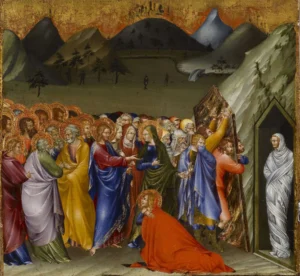
In today’s gospel, the evangelist John narrates the powerful story of Jesus raising Lazarus from the dead. This miracle is one of the great “signs” in John’s gospel, inviting us to reflect on what it truly means to call Jesus the Resurrection and the Life.

There are several important lessons that strengthen our faith in Jesus.

First, people were pressing Jesus to declare plainly whether He was the Messiah. Instead of simply answering, Jesus pointed them to His works—works that testify that He came from God and reveal His true identity.

Second, Mary and Martha, the sisters of Lazarus, sent word to Jesus that their brother was ill, and later that he had died. Although Jesus loved Mary, Martha, and Lazarus, He delayed His coming for two days. This delay may have been due to the danger in going to Bethany or because Jesus was still engaged in His ministry to the people. Nevertheless, Jesus remained obedient in fulfilling His Father’s will despite the obstacles. By restoring Lazarus to life, Jesus ultimately glorified the Father.

Third, when Jesus arrived in Bethany, He was deeply moved. Martha approached Him with sorrow, saying that if He had been there, Lazarus would not have died. Yet she still expressed confidence that God would grant whatever Jesus asked. She professed her belief in the resurrection on the last day. Later, Mary came with the same faith and sorrow. Jesus then went to the tomb, prayed, and called Lazarus out from it. Because of this sign, many came to believe in Him. However, when the Jewish authorities heard of this miracle, it stirred their intention to act against Jesus.

Fourth, the raising of Lazarus foreshadows the good news of Jesus’ own Resurrection. Jesus’ fidelity and obedience to the will of the Father eventually led to strong opposition from the authorities and resulted in His death. Yet this miracle reveals Jesus’ power over death so that when we die, all believers may remember and find hope.

Fifth, just as Jesus commanded that the stone be rolled away from Lazarus’ tomb, the disciples would later discover the stone rolled away from Jesus’ own tomb. For Jesus no obstacles prevent Him to accomplish His salvific mission.

Through our Baptism, we too are restored from death caused by sin to new life, which unites us with Christ who conquered death once and for all. Because of this victory, those who believe in Him share in eternal life. Like Martha and Mary, we are called to profess our faith that Jesus is truly the Resurrection and the Life.

This message clearly points to our own resurrection on the last day, when the Lord will give life to all who belong to Him.

The story of Lazarus reveals the tremendous power of Jesus. On the last day, Christ will call us forth from our graves as His friends—if we have lived in friendship with Him. As our Lord, He will command us to come out of the tomb and enter into the resurrection of the dead, the new creation, and the life of the world to come.

Even amid the darkness and turmoil of our world today, Jesus continues to bring new life. Just as He called Lazarus out of the tomb, He calls each of us out of darkness into the light of life.

Therefore, I sincerely encourage you to offer a simple prayer each day, asking Jesus for the healing of our world, that lasting peace and new life may prevail.

God bless you.

Fr. Arlon, OSA

The Dictate of the Heart: 4th Sunday of Lent, Year A (Laetare Sunday)

Today the Church celebrates Laetare Sunday, a moment of quiet joy in the midst of our Lenten journey. The word Laetare means “Rejoice.” In the middle of our penance, sacrifices, and spiritual struggles, the Church invites us to pause, breathe deeply, and remember the joy that awaits us in the light of Christ.

Personally, this Sunday has a special meaning for me. Over the past days, I have been giving a spiritual retreat to religious sisters who are preparing for their simple and solemn profession. Today the retreat concludes. It has been both exhausting and deeply enriching. As their spiritual guide, I have witnessed something very beautiful—the sincerity of their commitment and the quiet courage with which they respond to God’s call.

Experiences like this remind me how gracious God is in choosing people—priests, religious sisters, missionaries, and all who dedicate their lives to Him—to become instruments of His love and mercy in the world. Yet when God chooses someone, He does not look first at external appearances, achievements, or status. God looks into the heart.

The heart, in the biblical sense, is the deepest center of the person—the place where decisions are made and where the will of God is either embraced or resisted.

God Looks Into the Heart. This truth is clearly revealed in the first reading from the First Book of Samuel.
The prophet Samuel is sent by God to anoint a new king for Israel. When Samuel sees the sons of Jesse, he is immediately impressed by their appearance. Eliab, the eldest, looks strong and kingly. But God corrects Samuel with these powerful words: “Not as man sees does God see, because man sees the appearance, but the Lord looks into the heart.” Eventually, the youngest son, David is brought before Samuel. David is not the obvious choice. He is the youngest, a simple shepherd boy, unnoticed even by his own family. Yet it is David whom God chooses and anoints as king. Why? Because David possesses something that cannot be seen by the human eye: a heart open to God.

The story reminds us that God’s criteria are very different from ours. We often judge by appearances, talent, reputation, influence—but God searches deeper. He sees the inner disposition of the person, the sincerity of one’s love, and the willingness to follow His will.

The second reading, from the Letter of St. Paul to the Ephesians, continues this theme but expresses it in another way: the contrast between darkness and light. St. Paul tells the Christians: “You were once darkness, but now you are light in the Lord.”

To live in darkness means to live in sin, hiddenness, and shame. Even when such actions are done secretly, they cannot bear the fruits of goodness,righteousness, and truth.

A life separated from God inevitably leads to darkness of the heart. But Paul reminds us that Christ is the light who transforms us. His presence exposes what is hidden and brings healing where there was once blindness.

Because of our baptism, we are not merely receivers of this light, we are called to reflect it. Christians have a prophetic responsibility: to expose the works of darkness and to illuminate the world with the truth of Christ.

This is not always easy. Living in the light requires honesty, humility, and courage.

The Gospel from John presents one of the most powerful miracle stories of Jesus: the healing of the man born blind.

As Jesus encounters this blind man, the disciples ask a question that reflects a common belief of their time: “Rabbi, who sinned, this man or his parents, that he was born blind?” In other words, they assume that suffering must be a punishment for sin. But Jesus rejects this assumption. He says that the man’s blindness is not a punishment. Rather, through this situation the works of God will be revealed.

Jesus then performs a very unusual action. He spits on the ground, makes clay with the dust, places it on the man’s eyes, and tells him to wash in the pool of Siloam. When the man obeys, he receives his sight.

This gesture of Jesus is rich in symbolism. By mixing saliva and clay, Jesus echoes the creation story in the Book of Genesis, where God forms humanity from the dust of the earth. In this miracle, Jesus acts with the same creative authority of God Himself. It is as if Jesus is saying: “I am the one who gives sight. I am the one who recreates life.”

But the real drama of the story is not the physical blindness of the man. The deeper blindness belongs to the Pharisees. Despite witnessing the miracle, they refuse to believe in Jesus. They interrogate the man, question his parents, and even accuse Jesus of being a sinner. Their hearts are so fixed on their own religious assumptions that they cannot recognize the truth standing before them.

Ironically, the blind man gradually begins to see more clearly than they do. At first, he simply knows that Jesus healed him. Later, he calls Jesus a prophet. Then he declares that Jesus is a man sent from God.
Finally, when Jesus reveals Himself, the man responds with faith: ” Lord, I believe.”And he worships Him.

What a beautiful journey of faith from blindness to sight, from confusion to belief.

This Gospel invites us to ask a very personal question: What kind of blindness might exist in our own lives?

Not all blindness is physical. Many people can see perfectly with their eyes, yet their hearts remain blind.

Sometimes we are blinded by prejudices.
Sometimes by pride or self-righteousness.
Sometimes by resentment or bitterness toward others. We may fail to see the goodness in our neighbor, our coworkers, our family members, or even in those who disagree with us.

The Pharisees were convinced that they already possessed the truth. Because of that certainty, they closed themselves to the newness that God was revealing in Jesus. And the same danger can exist for us.

This Gospel speaks to me in a very personal way. In my own life, I have undergone four operations on my eyes. There were moments when I truly experienced physical blindness and uncertainty.

But those experiences also taught me something deeper. Physical blindness is not always the greatest darkness. Sometimes God allows certain limitations in our lives—not as punishment, but as a way for us to discover Him more deeply.

In my own struggles, I learned that seeing with the eyes is important, but seeing with the heart is even more important.

Jesus comes to liberate us from whatever blinds us. He invites us to live as children of the light.

To do this, we must cultivate a listening heart, one guided by the Holy Spirit and open to the truth. Living in the light demands honesty, humility, and the courage to recognize both our weaknesses and God’s grace at work in our lives.

When our hearts are open to Christ, we begin to see differently. We see people not as enemies but as brothers and sisters. We see suffering not merely as burden but sometimes as a path to deeper faith. And we see our lives not simply as ordinary routines but as part of God’s loving plan.

Today’s readings remind us of a profound truth: God looks into the heart.

He is not impressed by appearances, achievements, or external success. What matters most to Him is the sincerity of our love and our willingness to believe.

Like the blind man in the Gospel, we are invited to move step by step toward deeper faith until we too can say with conviction:” Lord, I believe.”

May Christ, the light of the world, open our eyes and enlighten our hearts so that we may truly see God, our neighbor, and ourselves in His light. And may we always walk as children of the light.

God bless you.

Fr. Arlon, OSA

The Dictate of the Heart: 3rd Sunday of Lent, Year A

The Third Sunday of Lent, Year A, calls us to open our hearts to God’s grace. As we continue to deepen our discipline of intense prayer, fasting, and penance, we are also invited to offer another sacrifice so that this Lenten season may become more meaningful. That sacrifice is to pray earnestly for an immediate ceasefire in the Middle East, involving Israel, America, and Iran.

I agree with the call of Pope Leo XIV for leaders to engage in dialogue, because going to war is not the solution; rather, it aggravates division and conflict. More innocent people suffer, and hatred continues to intensify. This season is an ideal time to deepen our Lenten practices so that the world may draw closer to God and reflect on what truly satisfies the human heart—much like Jesus’ offer of “living water” to the Samaritan woman.

Many people today are experiencing sadness and anxiety because of the growing number of killings. Families mourn loved ones, and soldiers have died as collateral damage in ongoing conflicts. At the same time, many perspectives have emerged raising concerns about the morality of these aggressive actions on both sides. Some would say such actions are immoral; others defend them based on political alignments. Moralists attempt to analyze the situation through the lens of the “Just War Theory.”

I know many who are weary—tired of being cast aside or looked upon with suspicion. Personally, I believe that an evil regime must be confronted, based on the historical reality that such regimes rarely come to the table for sincere conflict resolution. Too often, they stand on the side of darkness rather than dialogue. Perhaps one day the world will recognize and be grateful to those who stand firmly to protect the principles of a civilized world—a world that upholds peace, love, and unity.

This is precisely the reason Jesus came into the world. Even His enemies were given the freedom to choose between good and evil. Jesus treated His enemies with compassion and mercy, yet He also set clear boundaries. Thus, we must awaken both our minds and our hearts.

Today, we live in a world thirsting for answers—struggling with anxiety, wondering whom and what to trust, and longing for justice and peace to prevail.

Scripture today reminds us that even Jesus became tired. Perhaps He, too, was weary of division and thirsted for the realization of the new earth—the Kingdom of God—here and now.

All the readings today invite us to listen to His voice. I urge openness to His voice today, unlike our ancestors who hardened their hearts despite witnessing His mighty works.

In the first reading from the Book of Exodus, the Israelites grow angry with Moses. They begin to doubt God’s presence among them. In response, God instructs Moses to go to Horeb and strike the rock, miraculously providing water for the thirsty people. The place was called Massah and Meribah.

In the second reading from the Letter of Paul to the Romans, Paul exhorts believers that through faith we stand on the side of God, gaining peace and the hope of sharing in His glory. Through the Holy Spirit we receive God’s love—a love that confirms our hope, manifested in Christ who died for all of us, even while we were still sinners.

In the Gospel of John, we hear the inspiring story of the Samaritan woman. It is a moving dialogue between two tired individuals at the well under the scorching heat of the noonday sun—an encounter between Jesus and the Samaritan woman.

Let us focus on three important lessons from this encounter, though the Gospel reveals many more profound truths.

First, the Samaritan woman remains curious about Jesus. Without hesitation, she engages Him in conversation. They discuss real differences in politics, worship, and their understanding of God. They look at Scripture and tradition together. They enter into dialogue while honoring one another’s human dignity and looking toward the future with hope.

This is true evangelization. Jesus offers her hope, truth, and new life. She deeply senses that Jesus has changed her life, making her ready to share what she has discovered.

Jesus meets the Samaritan woman where she is, despite her sins and her past. This reminds us that God does not turn away from us because of our sins. Instead, He invites us to receive His mercy so that we may be transformed.

Second, in this encounter the Samaritan woman finds Christ, and she cannot contain her joy. She leaves her water jar behind and immediately runs to tell others the good news. Because of her testimony, many come to believe that Jesus is the Messiah.

Third, the Samaritan woman proclaims, “Come and see a man who told me everything I have ever done!” Many people leave their town just to see Jesus. This movement shows a decisive response of faith.

The woman becomes instrumental in fulfilling the missionary mandate—something no one in the village had dared to do before. She becomes the first messenger of the Good News among the Samaritans. Historically, Samaritans and Jews avoided one another and rarely met face to face. Yet Jesus restores her voice and her dignity.

This encounter at the well gives meaning to the many small gestures of daily life that connect us to one another.

The symbolism of leaving her jar at the well represents the abandonment of her old prejudices and burdens, making way for the newly discovered “Living Water,” which signifies her new life in Christ.

In the same way that God provided water to the Israelites in the desert, and offered living water through Jesus to the Samaritan woman, He points us toward something deeper in life. God desires to satisfy our thirst for meaning and truth.

God remains faithful, even when we struggle to understand the present geopolitical conflicts in the Middle East and in other parts of the world. We must trust that He is in control, even beyond our human comprehension.

Let us continue to engage in dialogue together—like Jesus and the Samaritan woman—at the periphery of the well, where sincere hearts meet and truth is revealed.

God bless you.

Fr. Arlon, OSA

The Dictate of the Heart: 2nd Sunday of Lent, Year A

We enter the first day of the month of March with the 2nd Sunday of Lent, Year A, in the Church’s liturgical calendar.

Our journey through Lent strengthens us in our quest for perseverance and the willingness to triumph over temptation and mediocrity. It opens our often fixed minds to the power of a merciful God.

Today’s readings focus on God’s promise of salvation and, by His grace, strengthen our faith—a faith that calls us to action.

In the first reading from the Book of Genesis, we hear about God’s promise of abundant blessings to Abram. It describes the transformation of a pagan patriarch into a believer in the one true God. His name was changed from Abram to Abraham, signifying his growth from the father of a small family to the father of a great nation. This great transformation began through God’s mercy and depended on Abram’s trust in Him. All Abram had to do was obey the Lord’s command and he did so.

In the second reading, from the First Letter of St. Paul to Timothy, Paul reminds us that God makes His grace available to those who fully trust Him, enabling them to grow in holiness. God “called us to a holy life.” Paul humbly insists that holiness is not something we can achieve on our own; it is the work of God within a community. It is God’s design for all humanity through Jesus Christ.

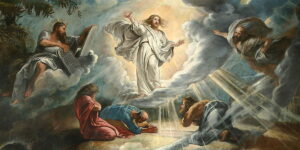
In the Gospel according to St. Matthew, we hear of one of the most important events in the life of Jesus: the Transfiguration. This event is also reported in the three Synoptic Gospels: Mark, Luke, and Matthew. To understand Matthew’s account of the Transfiguration, we must remember its context. Matthew places this story just after Jesus asks His disciples, “Who do you say that I am?” When Peter declares that Jesus is the Messiah, Jesus orders him to keep silent.

The word “Transfiguration” is not commonly used in everyday speech. If someone goes to the barber or salon for a makeover, we would not usually say, “You look transfigured today.” The word is reserved for something extraordinary. In Scripture, it is used to describe the striking change in Jesus’ appearance, revealing a glimpse of the glory of His Resurrection in the presence of John, Peter, and James—the inner circle of His apostles.

The lesson we draw from this Gospel passage leads us to a profound theological understanding.

First, a voice affirms that Jesus is God’s Son, echoing the voice heard at His baptism. On the mountain, Jesus reveals His identity once again when a bright cloud overshadows them and a heavenly voice, God the Father, declares, “This is my beloved Son, in whom I am well pleased; listen to him.” The Transfiguration is indeed a revelation of who Jesus truly is—a narrative we call a “Christophany.” It gives us a glimpse of the heavenly glory awaiting all who do God’s will by placing their trust and faith in Him.

Second, Moses and Elijah appear with Jesus on the mountain. How do we understand this? Their presence shows that this event is deeply connected to God’s relationship with the people of Israel. Moses and Elijah represent the Law and the Prophets, respectively. In the revelation and presence of the Beloved Son, Jesus completes and fulfills God’s Word.

Although the apostles wish to preserve the vision, Jesus commands them not to tell anyone about their experience. This reminds them not to proclaim Him as the Messiah prematurely, before the proper time.

St. Augustine, in one of his sermons, affirms that “after the Resurrection, neither Moses nor Elijah is seen. Only Jesus remains, for the Law and the Prophets have borne witness to Christ, who was destined to suffer, to rise again from the dead on the third day, and to enter into His glory.”

Third, the Transfiguration occurs in the presence of only three of Jesus’ disciples: Peter, James, and John. In Matthew’s Gospel, these disciples are among the first whom Jesus calls. They witness the Transfiguration so that they may be strengthened in times of trial.

When the evil one entices us to disobey God’s will and to serve ourselves as gods—turning our backs on Him and rejecting His love, grace, and salvation—we may easily yield to his lies and deception.

The story of Jesus’ Transfiguration reminds both the Apostles and us that our experience of the Eucharist is also transformative. The bread and wine become the Body and Blood of Christ. Likewise, each Mass should be a source of strength, leading to our own spiritual transformation.

We must renew and transform our lives during Lent so that we may radiate the glory and grace of the transfigured Lord.

The message of this gospel is clear: Jesus reveals His divine glory to His chosen disciples so that they may abandon worldly ambitions for power and prestige.

Lenten transformation is expected of us when we recognize the loving, providing, and disciplining hand of God behind our hardships, pain, and suffering. We are called to grow in holiness by cooperating with God’s grace, which encourages us each day.

Each Sacrament we receive transforms us. In particular, through the Sacrament of Reconciliation, God restores the sinner to the path of holiness—the original design He intended for each of us, so that we may be transformed and, in turn, help transform the world and society.

God bless you.

Fr. Arlon, OSA

The Dictate of the Heart: 6th Sunday in Ordinary Time, Year A

During these weeks of Ordinary Time, Year A, we focus our attention on the Gospel of Matthew. For the past five Sundays we have heard some of the most challenging preaching of Jesus about the Kingdom of God. His words are not casual suggestions; they are demanding invitations. Each Sunday, I find myself both comforted and unsettled—comforted because He shows us the way to life, unsettled because I realize how far I still have to go.

The readings this Sunday call us to think more deeply about the choices we are making. Christ’s words are not meant simply to be admired; they are meant to change us and make us wise. I have noticed in my own life how easy it is to hear Scripture and move on unchanged. Yet whenever I truly pause and take His words seriously, something shifts within me. They begin to challenge my habits, my reactions, even my hidden motives.

We should take heart from the first reading and the wisdom of the Book of Sirach: “If you choose you can keep the commandments, they will save you; if you trust in God, you too shall live… Before man are life and death, good and evil, whichever he chooses shall be given him.”

Those words remind me that discipleship is not forced upon us. God respects our freedom. Every day, often in small and unnoticed moments, I stand before that choice—life or death, good or evil. Sometimes the choice is dramatic; often it is quiet, like choosing patience instead of anger, forgiveness instead of resentment, honesty instead of convenience.

In the Gospel reading from St. Matthew, Jesus says, “Do not think that I have come to abolish the law or the prophets; I have come not to abolish but to fulfill.” As we listen to Him more profoundly, our minds are opened with wisdom to understand what He means.

First, Jesus Christ was reminding us of what John the Baptist proclaimed when he called people to repentance. In this way, Jesus echoes that call to conversion. Conversion simply means living by a higher standard than what we may have grown used to. It is not comfortable. It asks more of us. Even though this preaching began 2,000 years ago, that voice still reverberates today. I feel it personally whenever I am tempted to settle for the minimum—just enough goodness to feel safe. Christ always calls me further.

I believe this reminder serves as a powerful and provocative prelude to Lent. It offers a lesson in what is expected of us as disciples. Jesus maps out the road we need to travel, and it is not the wide and easy road, but the narrow path that leads to life.

Second, when Matthew speaks of “the Law and the Prophets,” he means the whole of Scripture. Jesus Christ, the living Word, brings the fullness of the Kingdom. None of Scripture is rejected or done away with; instead, He fulfills it. He does not overturn the Law of Moses, nor does He set His followers free from responsibility. Rather, He requires His followers to go beyond the Law by doing more than the Law requires.

Third, as we read in the Gospel, the Law condemns murder; Jesus condemns anger. The Law condemns adultery; Jesus condemns even lustful looks. For the Jewish Christians who first heard Matthew’s Gospel, this meant understanding that fidelity to the Law required accepting Jesus, who came to establish God’s Kingdom in its fullness.

We too must be aware that God has always been at work in history through “the Law and the Prophets.” Yet God’s work goes beyond that, embodied in the Messiah who reveals the definitive will of God. The written Scriptures and their interpretation in tradition find their fullness in Jesus, who lived among us. His life and teaching are the definitive revelation of God’s will.

It is more than just hearing or reading the Bible; it demands concrete and rigorous action. I have learned that it is easier to avoid serious wrongdoing than to purify my heart. It is easier to say, “I have not broken the commandment,” than to confront the anger, pride, or selfishness that quietly lingers within. Jesus calls me and all of us to that deeper honesty.

Get ready. Lent is almost here. In just a few days, it will be Ash Wednesday. After hearing Christ’s admonitions today, with His words still ringing in our ears and burning in our hearts, we will line up to have our foreheads marked with ashes. We will remember that we are dust. We will abstain from meat on Fridays. We will embrace Lenten discipline and penance to prepare to journey with Him to Calvary for the renewal of our lives.

It can be a time of choosing and of change. Each Lent I ask myself: What will I choose this year? Life or comfort? Growth or routine? Conversion or complacency?

May we choose wisely.
May we choose life.
May God bless us always.

Fr. Arlon, OSA

The Dictate of the Heart 5th Sunday in Ordinary Time, Year A

Many meaningful things unfolded last week. It began with the celebration of the 25th Foundation Anniversary of Sta. Rita Monastery, graced by the presence of His Excellency, Most Rev. Charles Brown, DD, Papal Nuncio to the Philippines. Many dignitaries, bishops, clergy, Augustinian friars, religious men and women, and lay faithful gathered for this joyous Eucharistic celebration.

On that same day, which coincided with the Feast of the Presentation of the Lord, we were given the grace to renew our religious consecration together. The message was clear and deeply moving: by virtue of our evangelical vows, we too are consecrated to God. We are consecrated and sent together with the lay faithful as the light of the world and the salt of the earth.

At the same time, our Santo Niño Spirituality Center, which promotes devotion to the Holy Child, observed the Triduum Masses in preparation for His annual feast. Neighboring villages actively participated, offering beautiful dances, novenas, and the celebration of the Holy Eucharist. Each year, this devotion continues to grow, drawing more people whose hearts are filled with gratitude, praise, and trust in the Holy Child’s constant blessings and divine protection.

Today, as we celebrate the 5th Sunday in Ordinary Time, I find myself drawn to the familiarity of the Scriptures. These readings are not new to us, yet they continue to challenge and invite us to deeper conversion.

In the first reading from the Book of Isaiah, we hear words we have encountered countless times: “Share your bread with the hungry; shelter the oppressed and the homeless; clothe the naked.” These words call us to examine how we truly live our faith. When we put love into action through concrete works of mercy, we draw others to Christ—not by words alone, but by the witness of our lives.

This reading leads me to ask myself: Am I neglectful of others by living with a selfish heart, even as I continue to receive God’s blessings? At times, we may focus only on our own families—and while caring for them is right and necessary—we must not close our eyes to the suffering of others. Awareness of the poor and the less fortunate is what truly makes us salt of the earth. We are invited to move beyond our own wants and grow in generosity of heart.

In the second reading, St. Paul reminds the Corinthians—and us—that the proclamation of faith is not about clever words or personal superiority, but about the power of the Spirit. True Christian witness allows God to shine through us rather than drawing attention to ourselves.

In today’s Gospel from Matthew, Jesus continues the teaching that began with the Beatitudes. He tells us plainly that we are to be “the salt of the earth” and “the light of the world.” These words speak directly to our identity and mission.

Salt preserves and gives flavor; light illumines and dispels fear. Jesus calls us to preserve the Christian spirit handed down by the first disciples and to continue sharing God’s love with the same generosity He showed. We are also called to be light for those living in darkness—especially in these confusing times—by speaking the truth and refusing to participate in anything that obscures Christ, who is the Truth and the Light.

At a deeper level, Jesus reveals that being salt and light flows from our identity as children of God. As the Gospel of John reminds us: “To those who accepted Him, He gave power to become children of God” (Jn 1:12). Our adherence to Christ demands fidelity. Our light must shine before others, not for our glory, but so that God may be glorified.

This discipleship is not lived in isolation. It is rooted in communion. Jesus told His followers before the Ascension, “You shall be my witnesses” (Acts 1:8). This calling is for everyone. Each believer bears responsibility for living out Christ’s invitation. When holiness is lived authentically, it has the power to transform many lives.

Such a communitarian identity is essential for carrying out Christ’s mission wherever we are. Mission is never individualistic; it is always lived in and with the Church.

This truth resonates deeply with my own experience. During my 19 years as a missionary in the United States, I never carried out my evangelizing mission alone. I did so in communion with the Church and with the entire Order of St. Augustine—an experience that remains fundamental to my understanding of mission.

It is also worth reflecting on Pope Leo XIV’s apostolic exhortation Dilexi Te, where he reminds us that the cry of the poor is the pathway to the heart of God. This echoes the Prophet Isaiah’s message today. Listening to the poor and to those who suffer helps us recognize our blind spots and renew our vision of Christian mission. The poor, familiar with suffering, challenge and “season” our lives, reminding us of our call to be salt and light.

Let us, therefore, preserve communion and unity in the Church, for in Christ we are one. Mission is carried out together, not by individual initiative, but in fidelity to the ecclesial community.

I urge all of us to live carefully and consciously, knowing that our lives are lived before others and that the whole world becomes the arena of our witness. We must allow our vision to be transformed, so that we may truly see differently.

May we be decisive in our choices, faithful to our Christian identity, and steadfast on our journey toward our heavenly destination.

God bless you.

Fr. Arlon, OSA
The Dictate of the Heart: 3rd Sunday in Ordinary Time, Year A

Today we return to Ordinary Time in the liturgical calendar. After the many celebrations of the past weeks, the Church now invites us into a season of growth, maturity, and deepening in our spiritual journey. Ordinary Time is not ordinary in the sense of being unimportant; rather, it is the time when our faith is meant to take root and bear fruit in daily life.

The first reading from the Book of Isaiah speaks of a people who once walked in darkness but have now seen a great light. This light refers to the coming of the Messiah. Indeed, the Lord is our refuge, our light, and our salvation. God does not abandon His people in darkness. He draws near, especially in moments of struggle and difficulty, to rescue and restore us.

Isaiah’s prophecy finds its fulfillment in Jesus Christ. Through Him, God breaks into our darkness with hope, healing, and new life.

In the second reading, from the First Letter of St. Paul to the Corinthians, Paul urges the Christian community to remain united. He pleads with them to stop their divisions and remember that they were baptized in the name of Christ. Paul’s message is strikingly relevant today. We belong to Christ—not to political parties, ideologies, or personalities. Just as Galilee was a divided region and the early Church struggled with conflict, we too face divisions in our world and even within the Church. Paul reminds us that unity is essential if we are to truly proclaim the Gospel of Jesus. This is also related to the call of the pontificate of Pope Leo XIV, which is not about ideology, or making himself famous, it is about unity in Christ through dialogue and relationships.

Today’s Gospel marks the beginning of Jesus’ public ministry. What lessons can we draw from this Gospel passage?

First, the evangelist Matthew emphasizes that Jesus is the fulfillment of God’s promises. Isaiah foretold that the Messiah would begin His ministry in Galilee, the land of the Gentiles. By choosing Galilee, Jesus reveals that God’s salvation is meant for all people, especially those on the margins.

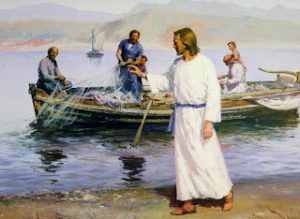
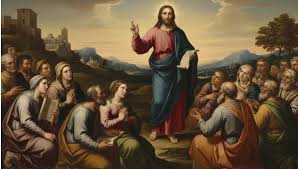
Second, we hear the call of the first disciples—Peter and Andrew, James and John. They are fishermen, ordinary men, not scholars or religious elites. When Jesus calls them, they immediately leave everything behind to follow Him. The Gospel tells us little about their prior encounters with Jesus, but we can imagine that His words, His way of life, and His presence stirred something deep within their hearts. Jesus’ call is clear and direct: “Repent, for the kingdom of heaven is at hand.” He invites them to turn their lives around and follow Him completely.

The mission of spreading the Gospel now depends on these disciples—and on us. We, too, are called to continue Jesus’ mission in our own time and place.

Third, the Gospel concludes with a description of Jesus’ ministry in Galilee. He teaches in synagogues, proclaims the Kingdom of God, and heals every disease and illness among the people. These acts of healing are signs that the Kingdom of God is already present. In Jesus, we catch a glimpse of what God’s reign looks like—restoration, compassion, and wholeness.

As disciples of the Lord, we are also called to be light for others. Today’s readings bring us a powerful message of hope, calling, and unity. God brings light even in the darkest moments of our lives.

Jesus calls ordinary people to follow Him. In His time, rabbis usually chose only the most gifted students. But Jesus does something radically different—He calls fishermen, workers, ordinary people. He does not choose them because they are perfect or highly skilled, but because they are willing. God does not call us based on our achievements; He calls us as we are.

Each of us has a unique way of sharing our faith, regardless of background, talents, or limitations. Jesus sees our potential even when we cannot. He does not ask us to be perfect before following Him. He only asks for a willing heart.

We may feel unqualified or unsure, but Jesus believes in what God can accomplish through us. Let us trust that God can use our lives for His purpose. All that is needed is openness, courage, and a heart ready to follow.

God bless you.

Fr. Arlon, OSA
The Dictate of the Heart: The Feast of the Baptism of Jesus (Year A)

Many of us feel great joy and excitement when we baptize our children. For Filipinos, this is often a major family celebration. While traditionally only one or two godparents are expected, Filipino families often choose a dozen or more. As a result, the baptism can sometimes feel more like a social gathering than a deeply religious event—one that signifies our commitment to receive the indelible mark of faith and to profess our belief in the Triune God.

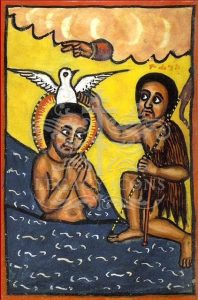
Today, we celebrate the Baptism of Jesus in the River Jordan by John the Baptist, as narrated in today’s Gospel. The Baptism of Jesus marks the transition from His hidden, private life to the beginning of His public ministry. After this feast, we return to Ordinary Time in the Church calendar, carrying with us the meaning of this profound event.

In the first reading from the Book of Isaiah, we hear about the “Servant of the Lord,” a prophetic image pointing to the Messiah. God chooses this servant to be a light to the nations—bringing healing to the sick, comfort to the distressed, and freedom to captives. The Spirit of God descends upon Him, empowering Him to accomplish this mission of salvation and restoration.

In the second reading from the Acts of the Apostles, Peter proclaims the Lordship of Jesus Christ. He emphasizes that Jesus’ ministry began with His baptism, when He was anointed by the Holy Spirit. From that moment on, Jesus went about doing good, proclaiming the Good News to all who encountered Him.

Matthew’s account of Jesus’ baptism highlights Jesus as the Messiah and as one greater than John the Baptist. John initially hesitates and asks Jesus to baptize him instead. This humble gesture from John reveals his deep recognition of who Jesus truly is—the fullness of God’s presence among His people.

There are important lessons we can draw from the Baptism of Jesus.

First, a voice from heaven declares: “This is my beloved Son, with whom I am well pleased.” This is a defining moment in which Jesus is revealed as the Son of God, the Anointed One. He comes to proclaim salvation not by being served, but by serving others through genuine love, humility, and self-giving ministry.

Like Jesus, we too are called to share in His mission. This means working for the sanctification of others—helping people grow in holiness and deepen their relationship with Christ through our words, actions, and example.

Second, being called “beloved” is not just a title; it is a call to action. As soon as Jesus emerged from the water, He was empowered to confront injustice, to bring healing and mercy, and to lift up those who were marginalized. In doing so, He made visible the coming of God’s Kingdom.

Third, we must reflect on why Jesus submitted Himself to John’s baptism. Jesus did not need forgiveness, for He was without sin. Rather, His baptism signified the beginning of His mission. He was set apart and sent to proclaim the Good News through both word and deed. God was actively at work among the people, and Jesus led them as a dedicated Servant-Leader into the Reign of God.

Today, we are invited not only to reflect on the baptism of Jesus, but also to consider what our own baptism means for us. In baptism, we share in God’s life of grace and participate in the mission and ministry of Jesus.

Jesus’ baptism reminds us that God is with us and stands in solidarity with us. God does not run away from the pain and suffering of the world; instead, God enters into it and walks with us.

As Jesus stepped into the waters to renew and transform the world, we too are called to become embodiments of justice, mercy, and love. Let us continue to nurture relationships that are deeply rooted in justice and faithfulness to God’s Kingdom.

God bless you.

Fr. Arlon, OSA

El Dictado del Corazón: La Fiesta del Bautismo de Jesús (Año A)

  • Isaías 42, 1–4. 6–7
  • Salmo 29, 1–4. 9–10
  • Hechos 10, 34–38
  • Mateo 3, 13–17

Muchos de nosotros experimentamos una gran alegría y emoción cuando bautizamos a nuestros hijos. Para los filipinos, este momento suele ser una gran celebración familiar. Aunque tradicionalmente se espera solo uno o dos padrinos, muchas familias filipinas eligen una docena o incluso más. Como resultado, el bautismo a veces puede parecer más una reunión social que un acontecimiento profundamente religioso, uno que significa nuestro compromiso de recibir el sello indelible de la fe y de profesar nuestra creencia en el Dios Uno y Trino.

Hoy celebramos el Bautismo de Jesús en el río Jordán por Juan el Bautista, como nos lo narra el Evangelio de este día. El Bautismo de Jesús marca la transición de su vida oculta y privada al inicio de su ministerio público. Después de esta fiesta, regresamos al Tiempo Ordinario en el calendario litúrgico, llevando con nosotros el significado de este acontecimiento tan profundo.

En la primera lectura, tomada del libro del profeta Isaías, escuchamos acerca del “Siervo del Señor”, una imagen profética que apunta al Mesías. Dios elige a este Siervo para ser luz de las naciones, llevando sanación a los enfermos, consuelo a los afligidos y libertad a los cautivos. El Espíritu de Dios desciende sobre Él, afirmando que El, es el hijo amado, el cual llevara a cabo esta misión de salvación y restauración.

En la segunda lectura, de los Hechos de los Apóstoles, Pedro proclama el señorío de Jesucristo. Destaca que el ministerio de Jesús comenzó con su bautismo, cuando fue ungido por el Espíritu Santo. A partir de ese momento, Jesús pasó haciendo el bien y anunciando la Buena Nueva a todos los que lo escuchaban.

El relato de Mateo sobre el bautismo de Jesús subraya que Jesús es el Mesías y que es superior a Juan el Bautista. Juan, al principio, duda y le pide a Jesús que sea Él quien lo bautice. Este gesto humilde de Juan revela su profundo reconocimiento de quién es verdaderamente Jesús: la plenitud de la presencia de Dios entre su pueblo.

Hay importantes lecciones que podemos aprender del Bautismo de Jesús.

Primero, una voz del cielo declara: “Este es mi Hijo amado, en quien me complazco”. Este es un momento decisivo en el que Jesús es revelado como el Hijo de Dios, el Ungido. Él viene a proclamar la salvación no siendo servido, sino sirviendo a los demás mediante un amor auténtico, la humildad y una entrega total.
Así como Jesús, también nosotros estamos llamados a participar en su misión. Esto significa trabajar por la santificación de los demás, ayudando a las personas a crecer en santidad y a profundizar su relación con Cristo mediante nuestras palabras, nuestras acciones y nuestro testimonio.

Segundo, ser llamados “amados” no es solo un título; es un llamado a la acción. Tan pronto como Jesús salió del agua, fue fortalecido para enfrentar la injusticia, llevar sanación y misericordia, y levantar a los marginados. De esta manera, hizo visible la llegada del Reino de Dios.

Tercero, debemos reflexionar sobre por qué Jesús se sometió al bautismo de Juan. Jesús no necesitaba perdón, pues estaba libre de pecado. Más bien, su bautismo señaló el inicio de su misión. Fue consagrado y enviado a proclamar la Buena Nueva con palabras y obras. Dios estaba actuando activamente entre su pueblo, y Jesús los guió como un Siervo-Líder comprometido hacia el Reino de Dios.

Hoy se nos invita no solo a reflexionar sobre el bautismo de Jesús, sino también a considerar qué significa para nosotros nuestro propio bautismo. En el bautismo, participamos de la vida de la gracia de Dios y de la misión y el ministerio de Jesús.

El bautismo de Jesús nos recuerda que Dios está con nosotros y se solidariza con nosotros. Dios no huye del dolor ni del sufrimiento del mundo; por el contrario, entra en él y camina a nuestro lado.

Así como Jesús entró en las aguas para renovar y transformar el mundo, también nosotros estamos llamados a ser encarnaciones de la justicia, la misericordia y el amor. Continuemos fomentando relaciones profundamente enraizadas en la justicia y en la fidelidad al Reino de Dios.

Que Dios los bendiga.

P. Arlon, OSA

The Dictate of the Heart: Solemnity of the Epiphany of the Lord (Year A)

Today, on this eleventh day of the Christmas season, we celebrate the Feast of the Epiphany of the Lord. There is so much to reflect upon in today’s celebration.

The word Epiphany comes from the Greek Epiphania, a compound of two words: “epi” meaning “upon,” and “phania” meaning “shining.” Thus, Epiphany means “a shining upon.” It is often translated as manifestation or revelation, but I personally love the meaning “shining upon.”

Indeed, we have seen the Light shining upon the world in Jesus Christ, the Messiah. This theme of light beautifully runs through today’s readings. Jesus shines upon the world through His birth; He shines upon the Jewish shepherds, upon the wise men from the East, upon John the Baptist, and later through His first miracle at Cana and through countless healings. Christ is the Light that never stops shining.

Only a few days into the New Year 2026, many people have already greeted us with good wishes—hopes for new beginnings, dreams, opportunities, happiness, and success. Our hearts are illuminated with love, joy, and peace—not merely from celebrations or fireworks, but from sincere hearts that welcome the year with positive energy, serenity, and a willingness to forgive and to be forgiven.

In the first reading, the Prophet Isaiah proclaims that the Light of the Lord has come, and the glory of the Lord shines upon the earth. Out of darkness, a new light dawns—not only for Israel, but for all nations. People from far and wide, believers and even non-believers, come forward bringing gifts and rejoicing with glad tidings and joy.

In the second reading, St. Paul reminds the Ephesians that every nation is called to adore the Lord. The Gentiles, represented by the wise men are co-heirs of God’s promise. Salvation is not exclusive. It is offered to all who welcome Christ.

St. Paul boldly proclaims that the Gentiles are co-heirs with the Jews. The Kingdom of God does not belong to one people alone. It is open to all who accept Jesus. God, who came to dwell among us, shines upon all peoples. This, brothers and sisters, is the Good News.

In the Gospel, St. Matthew narrates the visit of the Magi. He does not call them kings, but wise men from the East. What does this story reveal to us today?

First, the Gospel tells us that the wise men followed a star—a sign that the Savior had been born. That same star shines upon us today, leading us to Christ, the King.

As they journeyed, they encountered King Herod, who asked about the newborn King of the Jews. Herod feared losing his power and saw Jesus as a threat. Though he pretended to seek homage, his heart was filled with fear and jealousy. This reminds us how easily darkness resists the light.

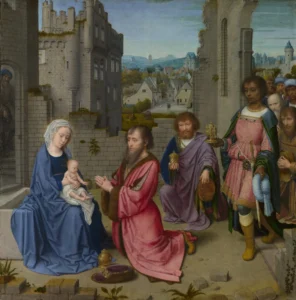
Second, the Magi eventually arrive in Bethlehem and find the Child with Mary, His mother. Matthew does not mention a manger, but a house. Jesus is no longer a newborn infant, but a young child. What matters most, however, is not the place—but the presence of Christ.

Third, the gifts they offer speak volumes. Gold for a King, frankincense for God, and myrrh—used for burial—point to the mystery of Jesus as true God and true Man, destined to suffer for our salvation. These gifts proclaim who Jesus truly is.

From the earliest days, the Church understood Epiphany as a manifestation of Christ to the Gentiles—a revelation that the Light of the world shines upon everyone. Jesus is the Light for all nations.

My brothers and sisters, this light shines upon you and me. We are beneficiaries of God’s divine life and light. But we cannot keep this light to ourselves. We are called to share it, especially with those who are walking through dark and difficult moments in their lives.

How do we allow our light to shine upon others?

By showing care, compassion, forgiveness, and love. This is our shared calling as Christians—to be bearers of the Light.

We must remember that the light we share does not come from ourselves. We must continually return to Christ, the source of true light, deepening our relationship with Him. Only then can we shine with strength and authenticity.

May the Light of Christ fill us with enthusiasm and courage to shine upon others. May we never tire of sharing that light.

May God bless you all. Praying the best for you this New Year 2026!

Fr. Arlon, OSA


El Dictado del Corazón:  Solemnidad de la Epifanía del Señor (Año A)

  • Isaías 60, 1–6
  • Salmo 72
  • Efesios 3, 2–6
  • Mateo 2, 1–12

Hoy, en este decimoprimer día del tiempo de Navidad, celebramos la Fiesta de la Epifanía del Señor. Hay mucho sobre lo cual reflexionar en la celebración de hoy.

La palabra Epifanía proviene del griego Epiphania, un compuesto de dos palabras: epi, que significa “sobre”, y phania, que significa “brillar”. Así, Epifanía significa “un brillar sobre”. A menudo se traduce como manifestación o revelación, pero personalmente me encanta el significado de “brillar sobre”.

En verdad, hemos visto la Luz brillar sobre el mundo en Jesucristo, el Mesías. Este tema de la luz recorre bellamente las lecturas de hoy. Jesús brilla sobre el mundo a través de su nacimiento; brilla sobre los pastores judíos, sobre los sabios de Oriente, sobre Juan el Bautista, y más tarde a través de su primer milagro en Caná y de innumerables curaciones. Cristo es la Luz que nunca deja de brillar.

Apenas unos días después de iniciado el Año Nuevo 2026, muchas personas ya nos han expresado buenos deseos: esperanzas de nuevos comienzos, sueños, oportunidades, felicidad y éxito. Nuestros corazones se iluminan con amor, alegría y paz, no solo por las celebraciones o los fuegos artificiales, sino por corazones sinceros que acogen el año con energía positiva, serenidad y una disposición a perdonar y a ser perdonados.

En la primera lectura, el profeta Isaías proclama que ha llegado la Luz del Señor y que la gloria del Señor brilla sobre la tierra. De la oscuridad surge una nueva luz, no solo para Israel, sino para todas las naciones. Personas de todas partes, creyentes e incluso no creyentes, avanzan trayendo dones y se alegran con noticias de gozo y alegría.

En la segunda lectura, san Pablo recuerda a los efesios que toda nación está llamada a adorar al Señor. Los gentiles, representados por los sabios, son coherederos de la promesa de Dios. La salvación no es exclusiva. Se ofrece a todos los que acogen a Cristo.

San Pablo proclama con valentía que los gentiles son coherederos junto con los judíos. El Reino de Dios no pertenece a un solo pueblo. Está abierto a todos los que aceptan a Jesús. Dios, que vino a habitar entre nosotros, brilla sobre todos los pueblos. Esta, hermanos y hermanas, es la Buena Nueva.

En el Evangelio, san Mateo narra la visita de los Magos. No los llama reyes, sino sabios venidos de Oriente. ¿Qué nos revela hoy esta historia?

Primero, el Evangelio nos dice que los sabios siguieron una estrella, señal de que había nacido el Salvador. Esa misma estrella brilla hoy sobre nosotros y nos conduce a Cristo, el Rey.

En su camino, se encontraron con el rey Herodes, quien preguntó por el recién nacido Rey de los judíos. Herodes temía perder su poder y veía a Jesús como una amenaza. Aunque fingía buscar rendirle homenaje, su corazón estaba lleno de miedo y celos. Esto nos recuerda cuán fácilmente la oscuridad se resiste a la luz.

Segundo, los Magos finalmente llegan a Belén y encuentran al Niño con María, su madre. Mateo no menciona un pesebre, sino una casa. Jesús ya no es un recién nacido, sino un niño pequeño. Sin embargo, lo más importante no es el lugar, sino la presencia de Cristo.

Tercero, los dones que ofrecen dicen mucho. Oro para un Rey, incienso para Dios, y mirra, usada para la sepultura, que apunta al misterio de Jesús como verdadero Dios y verdadero Hombre, destinado a sufrir por nuestra salvación. Estos dones proclaman quién es Jesús en realidad.

Desde los primeros tiempos, la Iglesia comprendió la Epifanía como una manifestación de Cristo a los gentiles, una revelación de que la Luz del mundo brilla sobre todos. Jesús es la Luz para todas las naciones.

Hermanos y hermanas, esta luz brilla sobre ti y sobre mí. Somos beneficiarios de la vida y de la luz divina de Dios. Pero no podemos quedarnos con esta luz solo para nosotros. Estamos llamados a compartirla, especialmente con quienes atraviesan momentos oscuros y difíciles en sus vidas.

¿Cómo permitimos que nuestra luz brille sobre los demás?Mostrando cuidado, compasión, perdón y amor. Este es nuestro llamado común como cristianos: ser portadores de la Luz.

Debemos recordar que la luz que compartimos no proviene de nosotros mismos. Necesitamos volver continuamente a Cristo, la fuente de la verdadera luz, profundizando nuestra relación con Él. Solo así podremos brillar con fuerza y autenticidad.

Que la Luz de Cristo nos llene de entusiasmo y valentía para brillar sobre los demás. Que nunca nos cansemos de compartir esa luz.

Que Dios los bendiga a todos.

P. Arlon, OSA